Space DistrictDaedalus



Press start
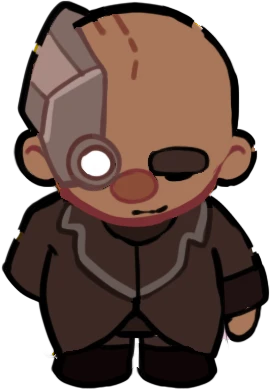
Questmaster · Mission 01


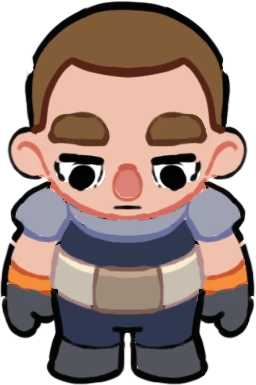
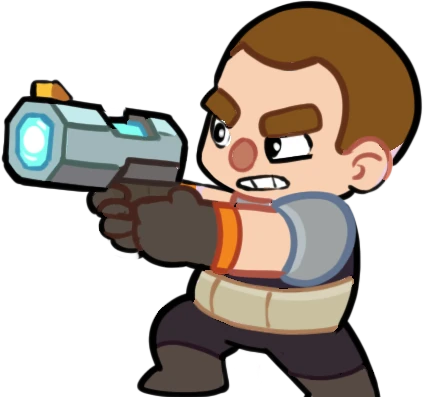
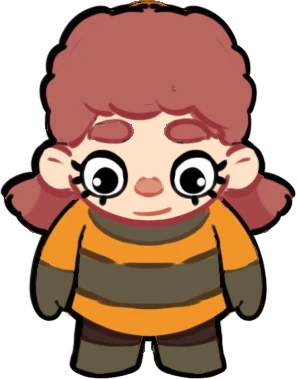
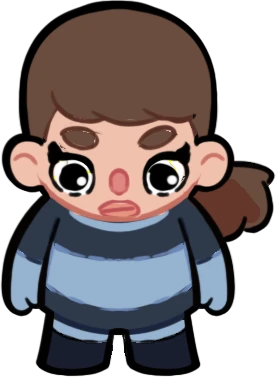
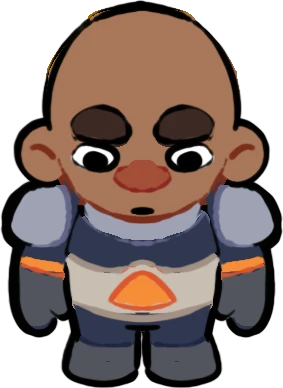
Simple characters a small team could animate, each one easy to recognise.
- Client
- Outer Zone Studios
- Genre
- 2D top-down shooter
- Years
- 2020–2023
- Engine
- Unity · C#
- Role
- Art direction, Character design, Animation, UI & level art, C# programming
- Tools
- Unity, C#, Photoshop, After Effects, Blender
The rules
Before a small team draws a hundred things, it needs a few rules: what has to read on screen, and what can stay cheap.
- OutlineOne weight, on everything#0b0f1c
- Deep spaceBehind it all#141a33
- Station steelWalls and floors, kept cool#3f5f80
- Console lightThe brightest surfaces in a room#a9c4e0
- NebulaThe only colour outside#3e8080
- SkinWarm, so people read first#f2c9a2
- The cultEnemies get their own hue#5e3a80
- AlertEnemy rings, key words#d8352f
- 01
Cool station, warm people
The rooms are steel blue and console light; the cast carry warm skin and coloured suits. The eye finds a character before the room.
- 02
One outline for everything
Characters, props and interface share one dark outline, so a sofa, a raider and a button all belong to the same world.
- 03
Colour has a job
Red only means danger or something important: enemy rings and key words. Crew stand on pale rings. Nothing is red for decoration.
- 04
Silhouette first
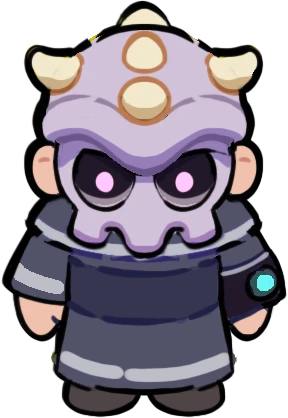
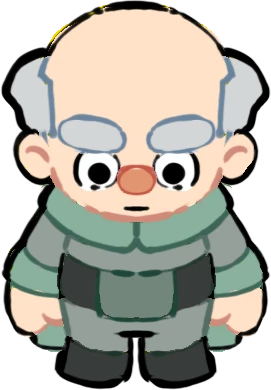
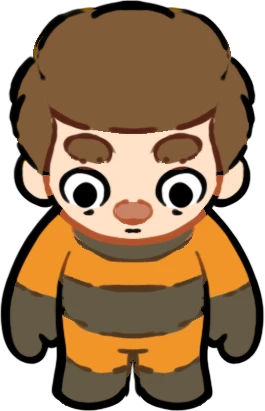
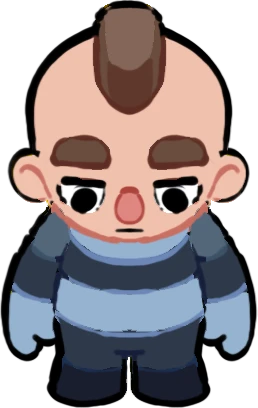
Big heads, few shapes. Every character had to be recognisable as a black shape before it got colour, then cut into parts a small team could rig.
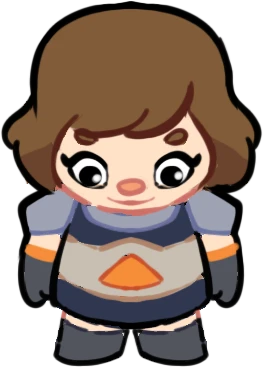 Lead
Lead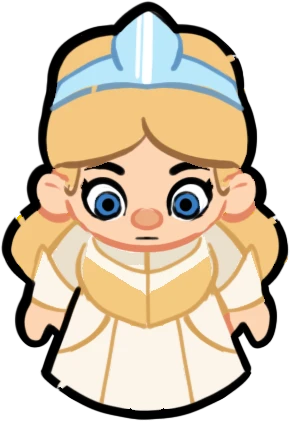 Princess
- Questmaster
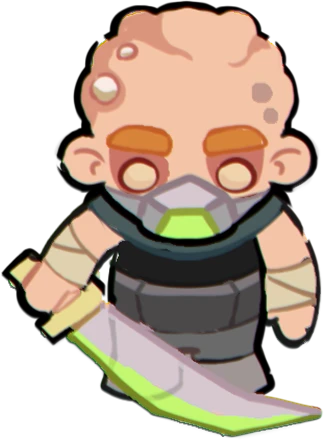 Raider
 Cultist
 Crew
Crew
Crew
Few shapes, big heads and one outline weight. Easy to animate in a small team, easy to tell apart on screen.
Lead F · Standard · FrontIdle loop from the gameLead
View · standard suit only
Suit
The standard suit has a full turnaround. The other four suits were drawn from the front only. Choose him in Navy to see his idle animation from the game.
The rest of the crew
Six more crew members, drawn by the same rules.
Station
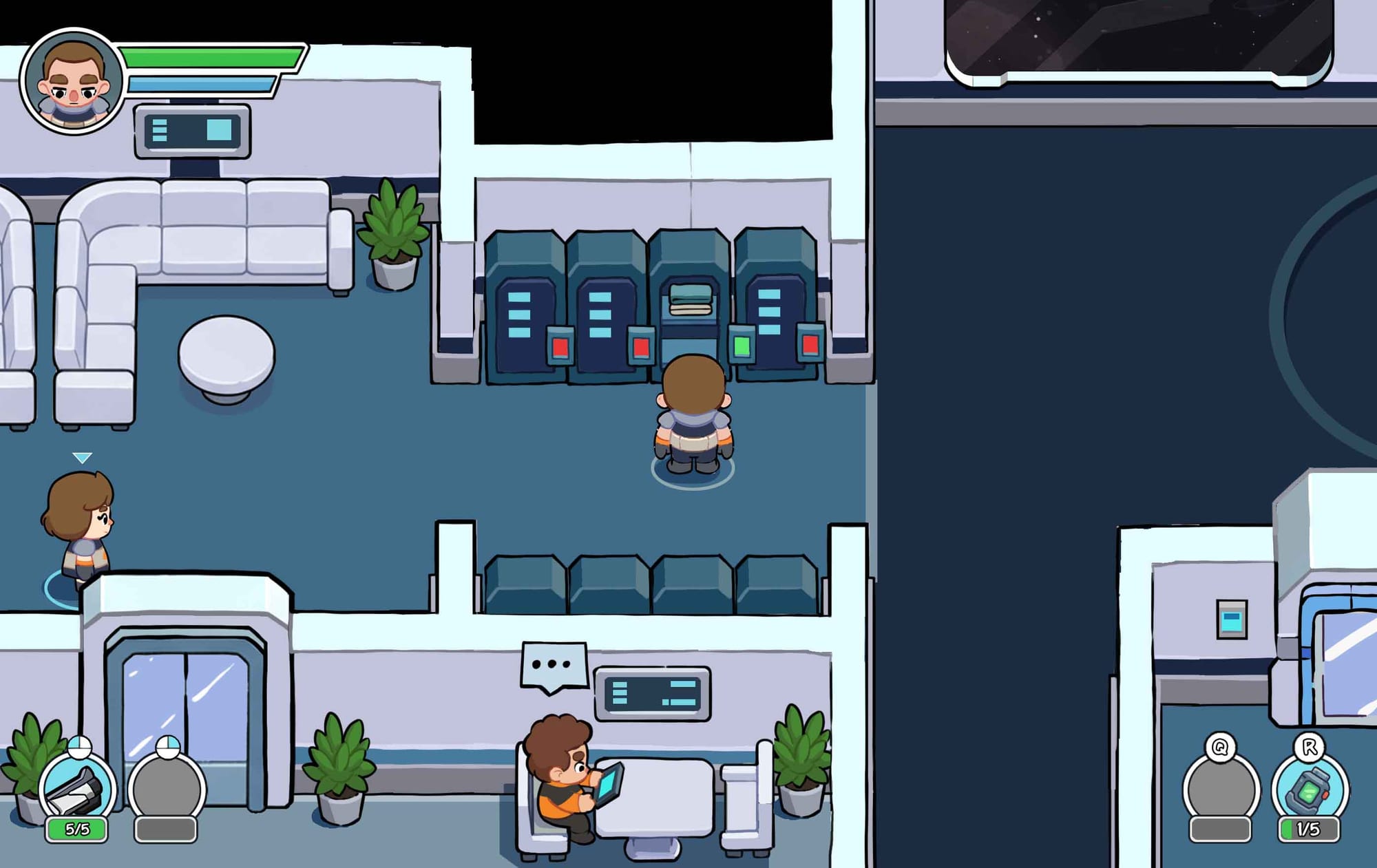
The levels and the interface were designed together. Open the lockers, switch the interface off in the lab, or tap a marker.
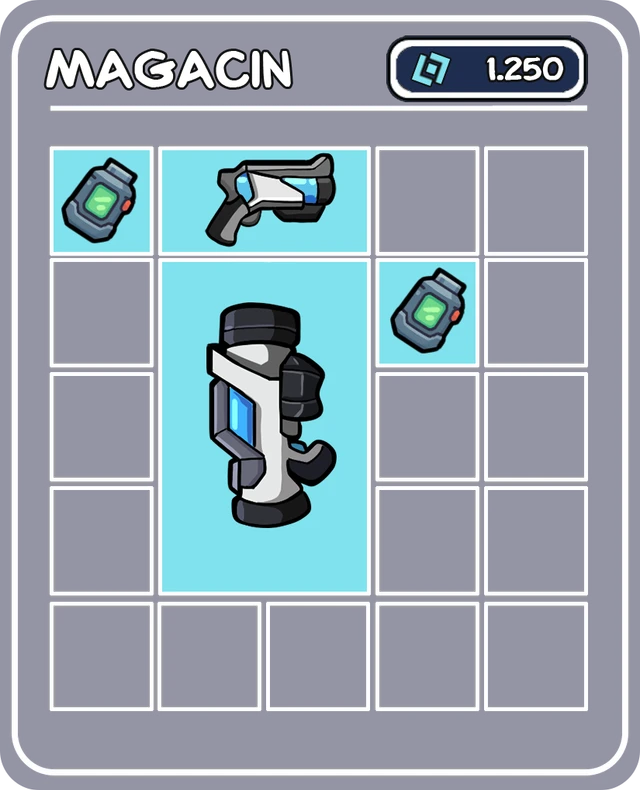
01 / 05
Storage
Each item takes up as many cells as its size needs.
02 / 05
Large items
The big weapon takes three cells, so storage space has to be managed.
03 / 05
Credits
Your credits are shown right next to the items.
04 / 05
Props
Sofas, lockers and plants use the same outline as the characters.
05 / 05
Abilities on Q and R
The number under each slot shows the charges left.
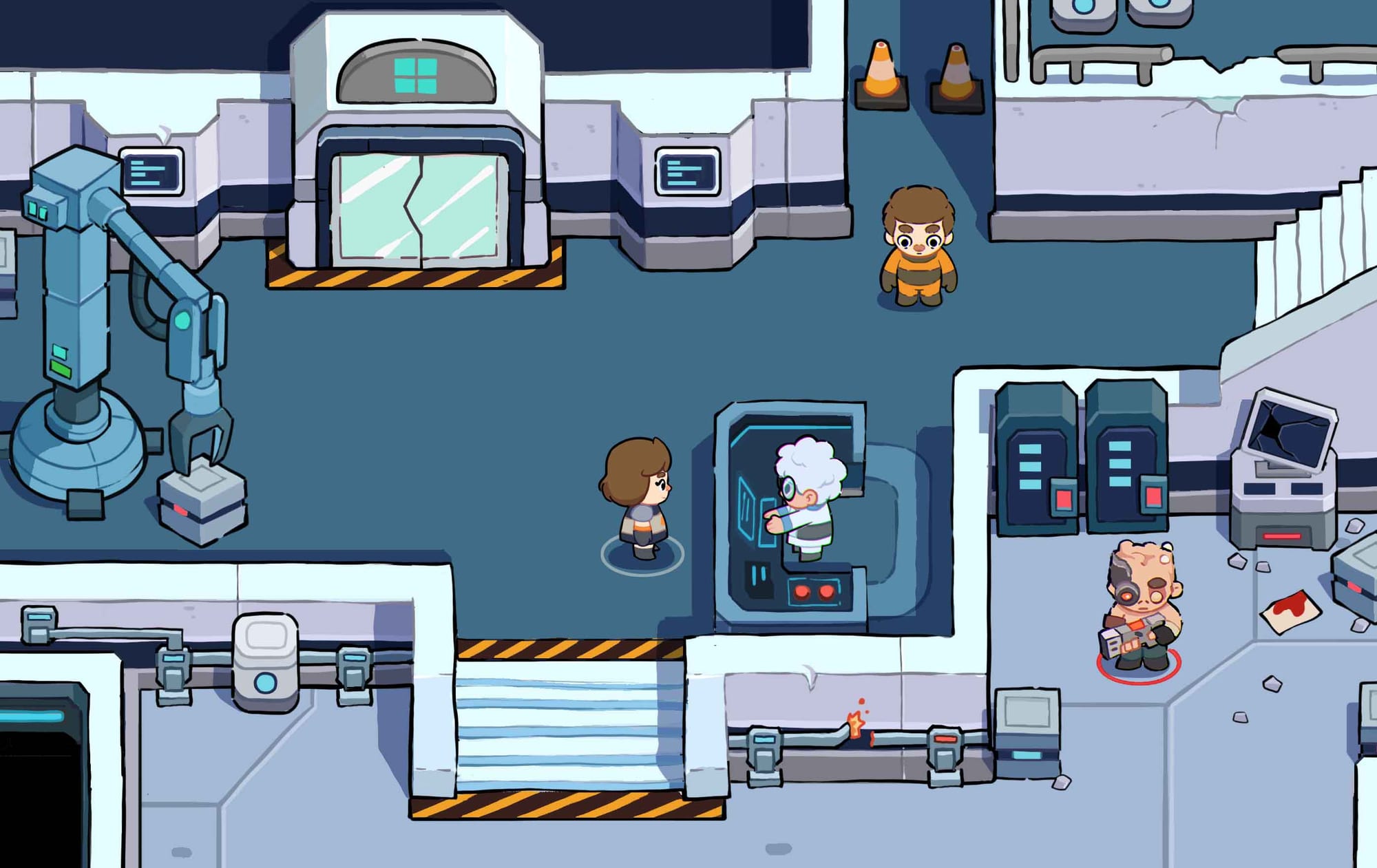
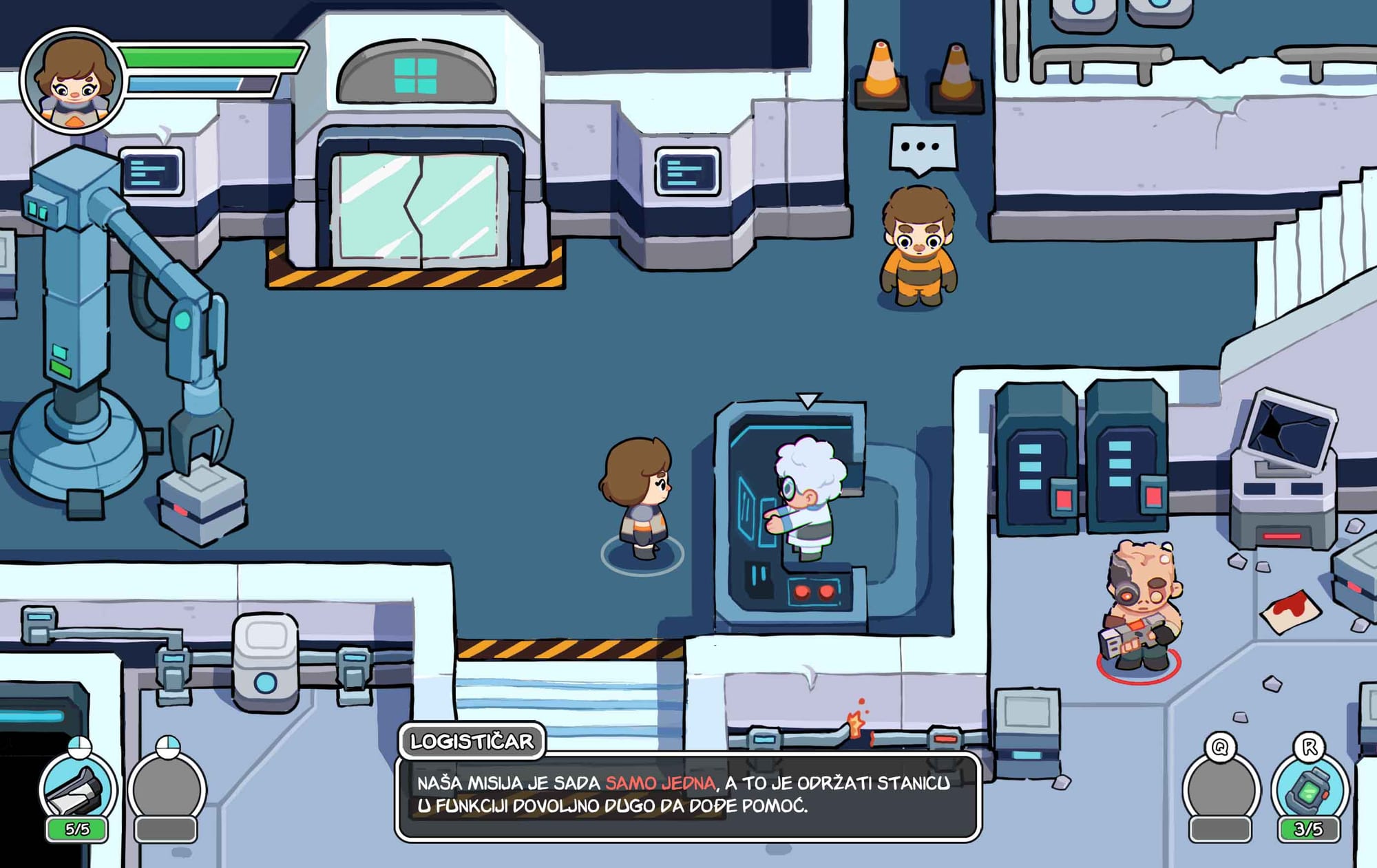
01 / 06
Portrait, health, shield
The one part of the HUD that is always on screen.
02 / 06
Who wants to talk
A speech bubble shows which character has something to say.
03 / 06
What you can use
A small marker appears over objects you can interact with.
04 / 06
Friend or foe
Enemies stand on a red ring and the crew on a pale one, so you can tell them apart in a fight.
05 / 06
Floor markings
Hazard stripes mark doors and stairs, so the layout reads without a map.
06 / 06
Dialogue
Dialogue is in Serbian, with key words highlighted in red.
Hangar
Enemy warships as line drawings, the player’s ship in colour. Pick a ship and move the pointer to steer it.
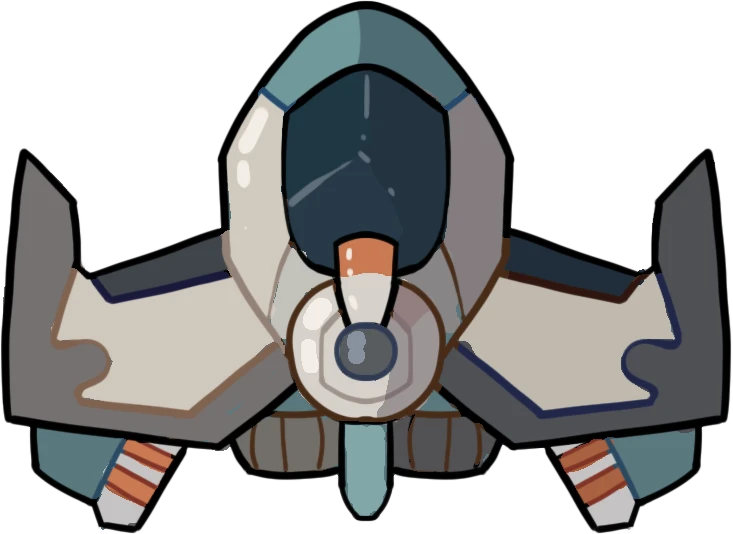
Player ship · 01 / 04
Colour
Player ship
Enemy fleet
The player’s ship. Players upgrade it as they progress through the game.
The player’s ship in an early Unity build.
Factions
Two enemy factions: space raiders in scrap armour and cultists in masks and robes. Their silhouettes are different enough to tell apart in a fight.
Space raiders
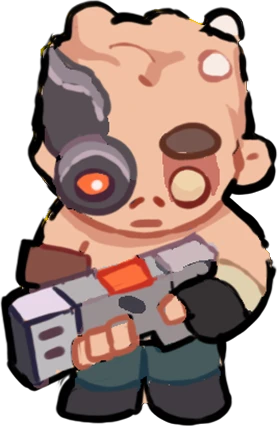
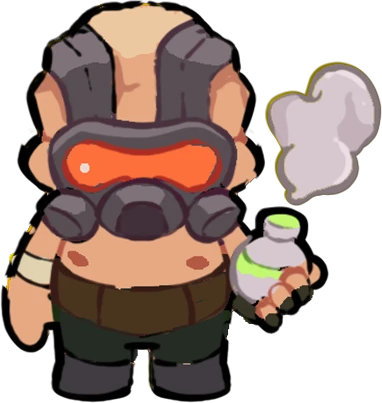
Scrap armour, goggles, gas masks.
Cultists
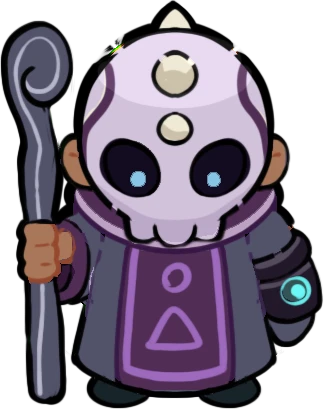
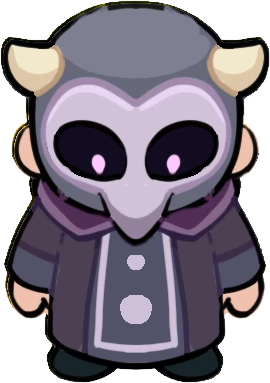
Skull masks, robes and a staff.
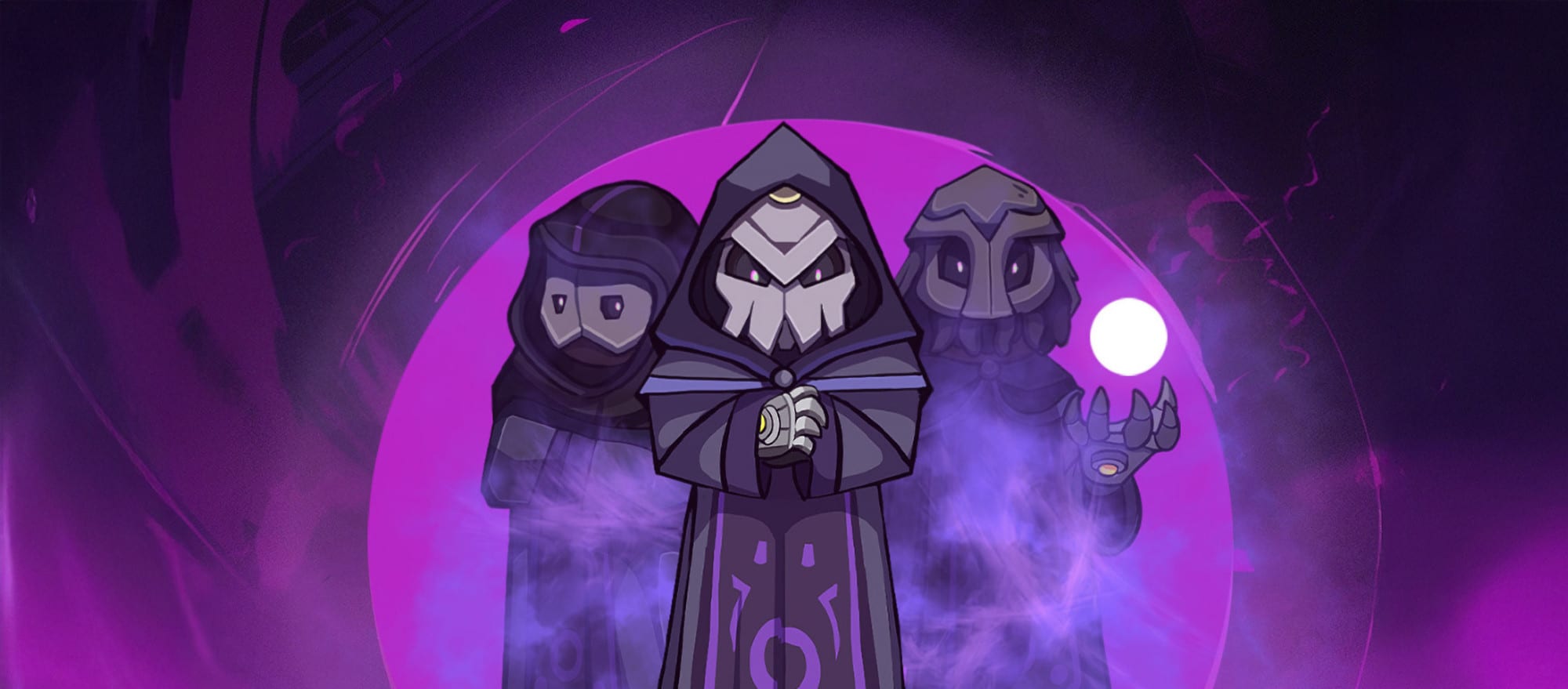
Cultist splash screen
Motion
Hands, weapon and the swing effect were drawn as separate layers in a fixed order. Characters are animated from these parts in Unity instead of frame by frame, and the logic behind them is written in C#.
Supporting cast
Two characters, several versions of each.
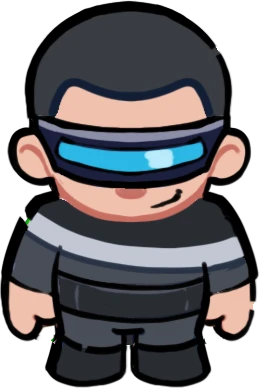
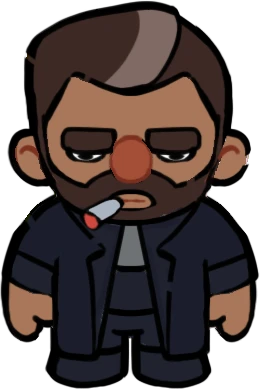
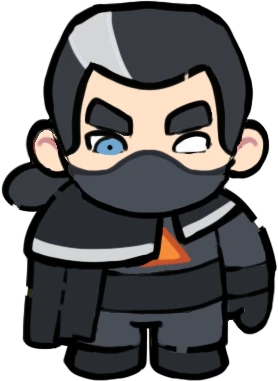
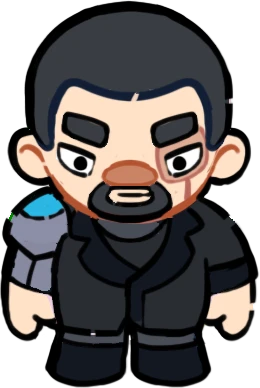
Questmaster
Five versions of the character who gives out missions.
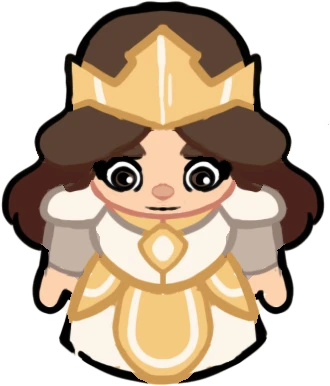
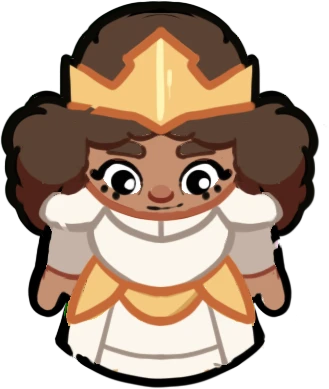
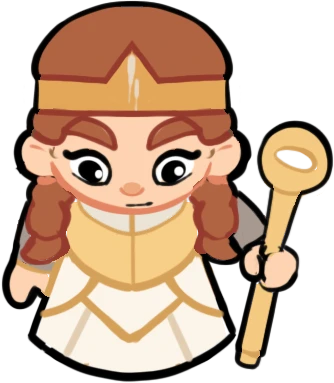
Princess
Three early versions, then the final design with its turnaround.
Earlier takes
Main menu
Pilot profiles on the left, the selected pilot on the platform, the menu on the right.
Outer Zone Studios · 2020–2023
“The goal was to make something that isn’t generic.”
Mile Mićić