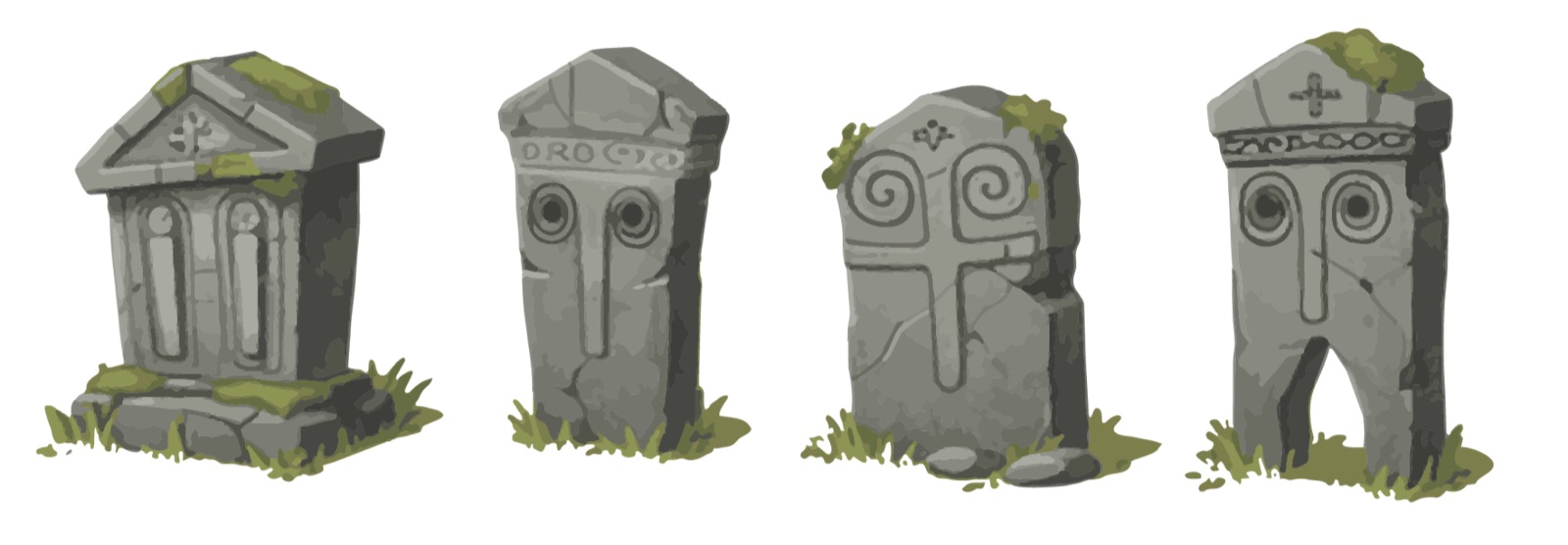
South Slavic soul. Rusted technology. Cosmic stubbornness.
00 The idea
Yes, this is based on a true story.
Bosana is a fantasy world, so naturally it’s about the most real place I know. The monsters are made up. The bureaucracy is not. It’s about stubbornness, spite, neighbours, history and the kind of hospitality that won’t let you leave until you’ve eaten twice.
It’s a story of three groups of people who wear red, green and blue. Together they would make white light. All three are sure that joining up would short-circuit reality.
And here we are.
- BosoniWood and defiance
- BosaniEarth and order
- BosuniStone and pride
- Since
- 2016
- Role
- Worldbuilding, Design, Development
- Formats
- Webcomic · 2D game · Artbook · Website
- Built with
- Photoshop, React, Vite, Supabase, Framer Motion
The rules of the look
Art directionA world drawn over ten years only holds together if it has rules. Every new drawing has to pass these five.
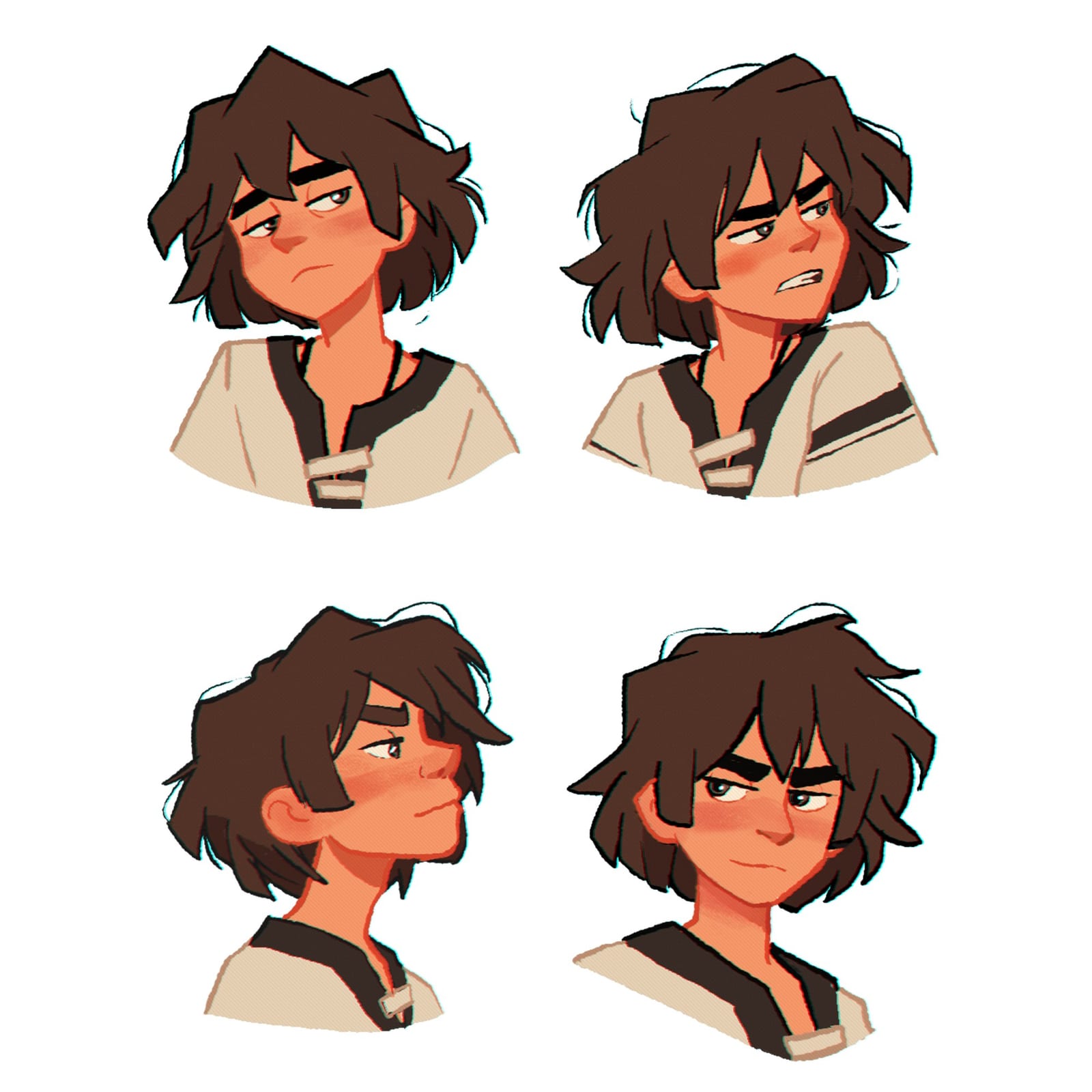
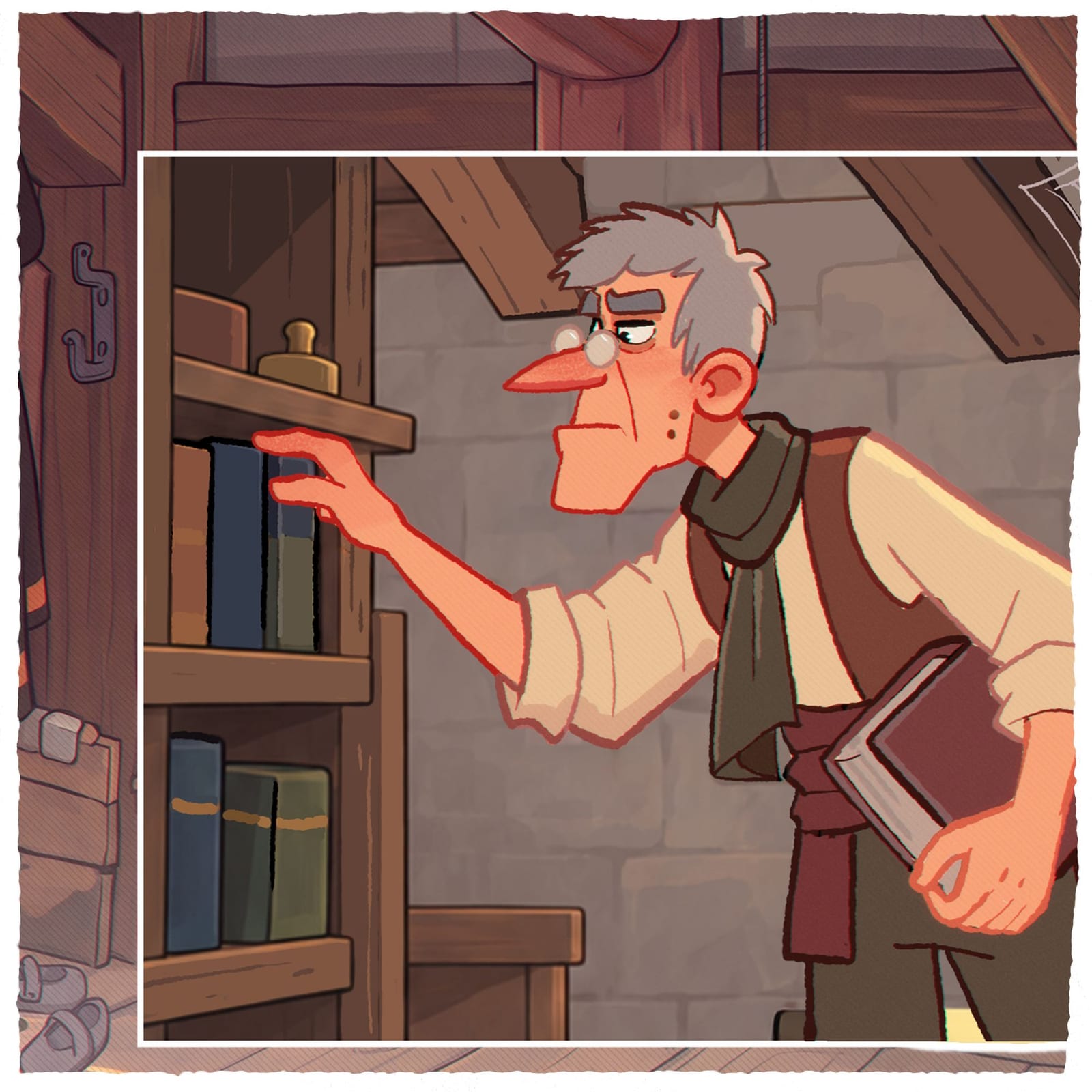
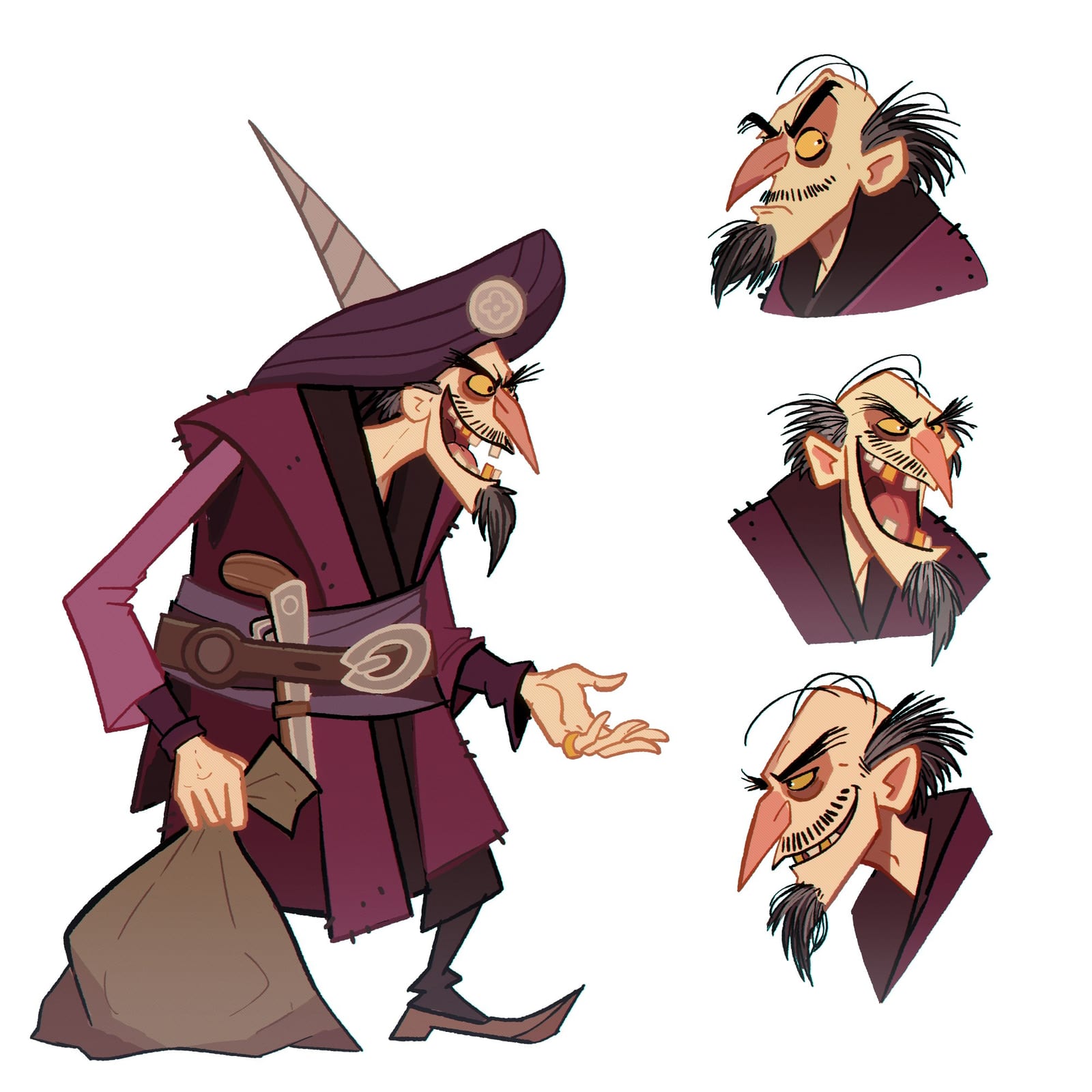
The feeling shows in the eyes, brows and posture, and the character still looks like themselves.
Flat colour, a little shadow, a little light. Volume comes from the drawing, not from texture.
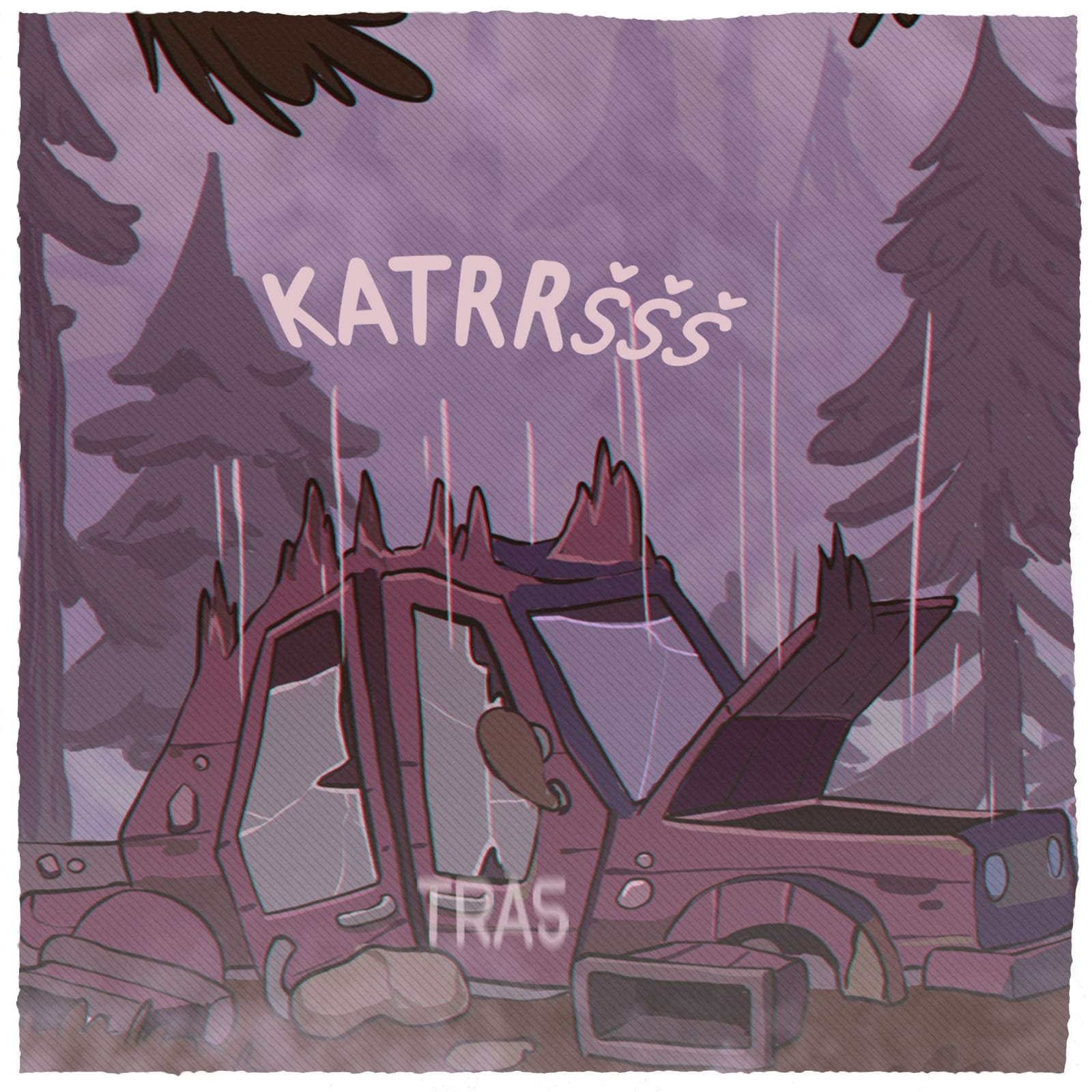
Colour sets the feeling before anyone speaks: green unease, purple rain, warm dust.
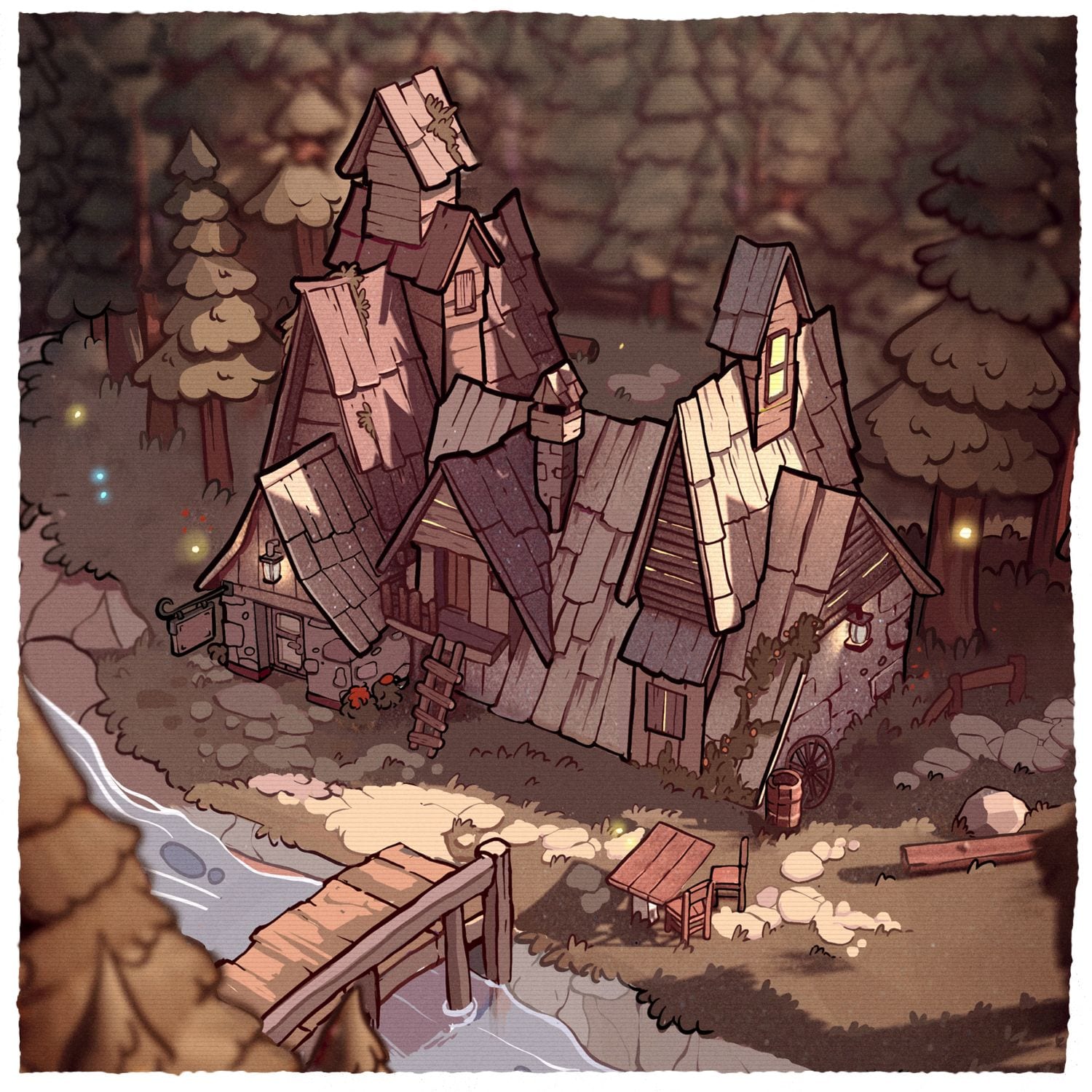
Everything looks inherited and patched, as if someone swore thirty years ago it would hold another year.
Proportions come from the sheet. If a pose doesn’t fit, the layout changes, not the anatomy.
The peoples
Every people has its own robot, built the way that people would build one.The questionWhere I come from there are three peoples who are, honestly, the same people. Different prayers, same coffee. How do you put that in a world without pointing at anyone?
What I didI let geography decide. Where you grow up shapes you more than where you pray, so the peoples became the forest, the plain and the stone. Each got a colour of light: red, green, blue. Mixed, they make white. Try telling them that.
A Costume studies: two options per people
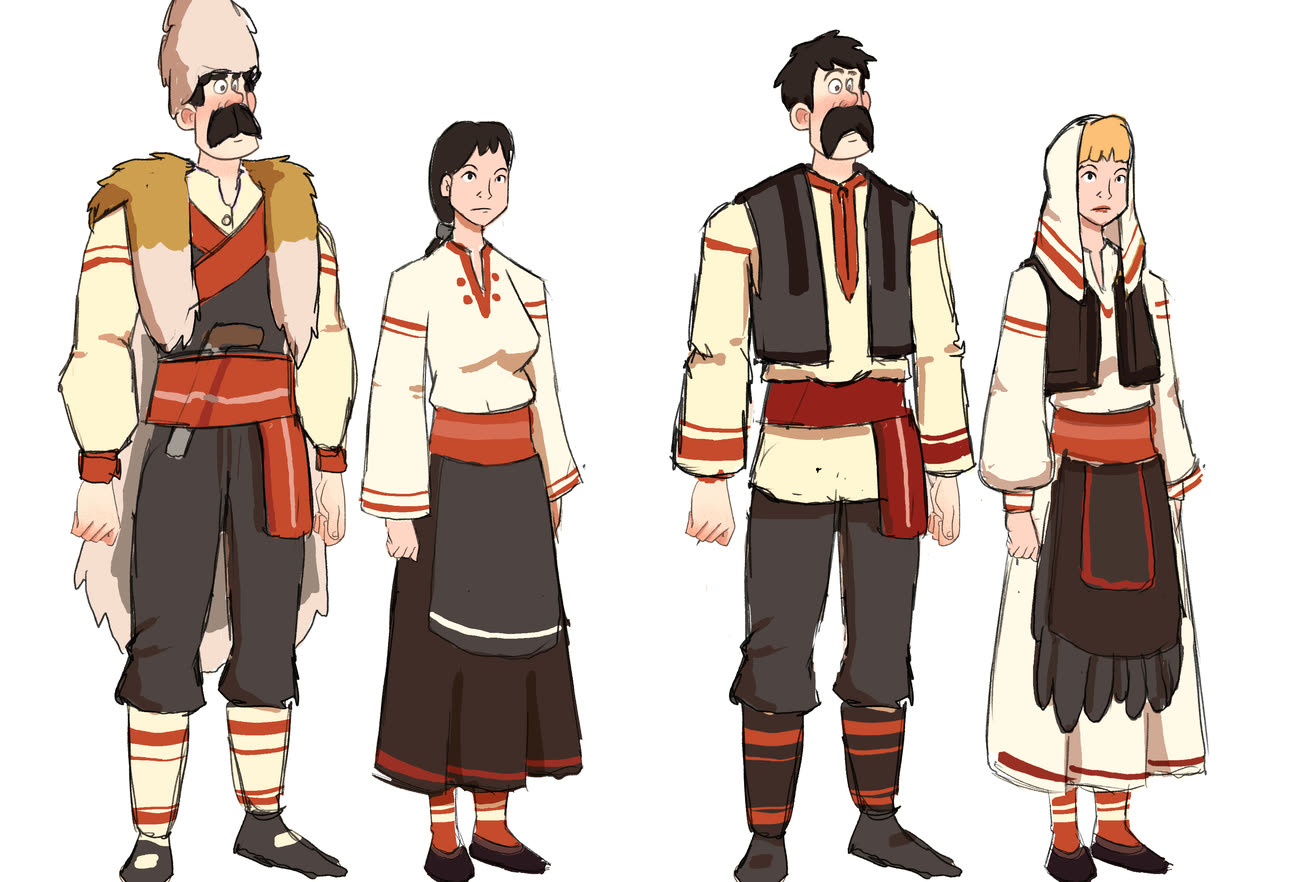 Bosoni
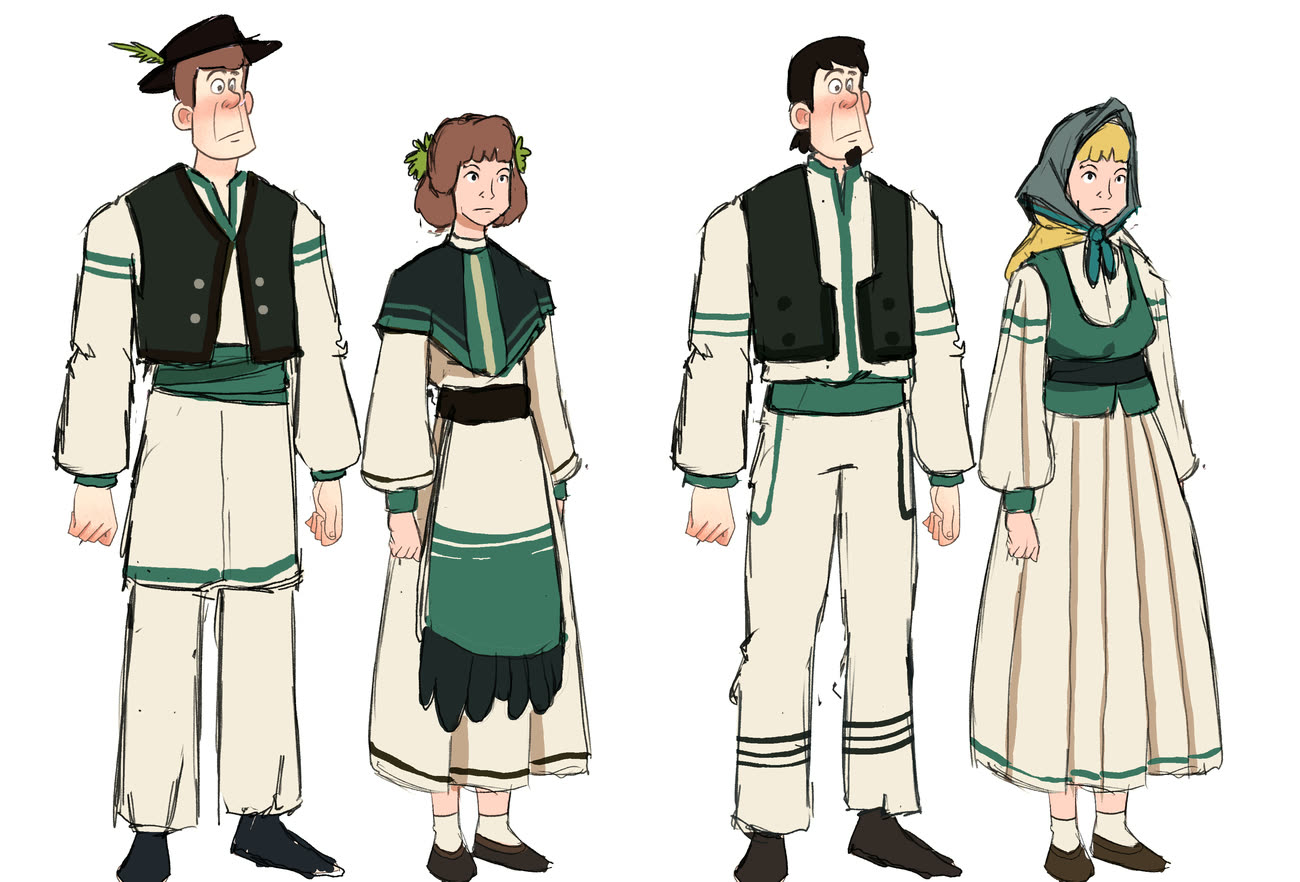 Bosani
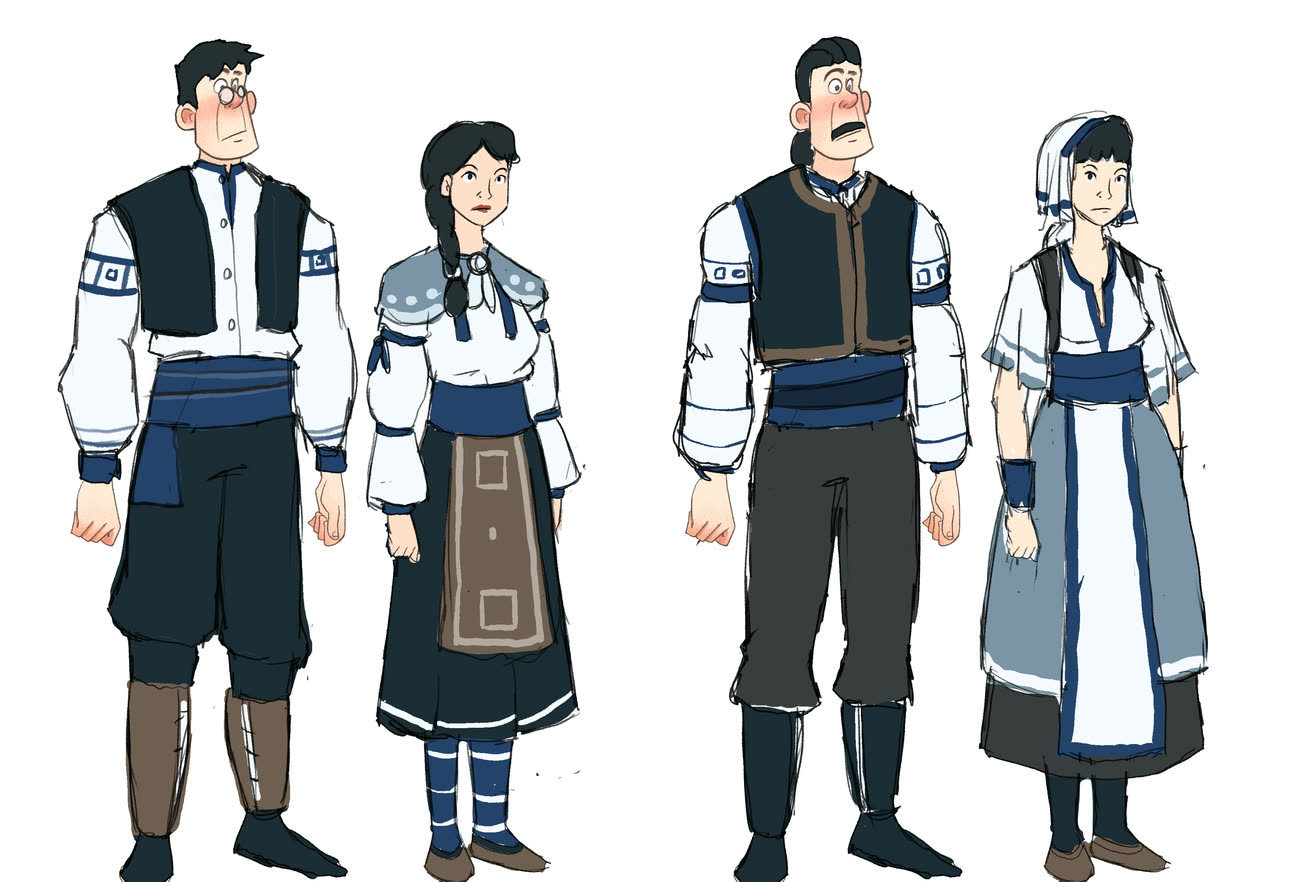 Bosuni
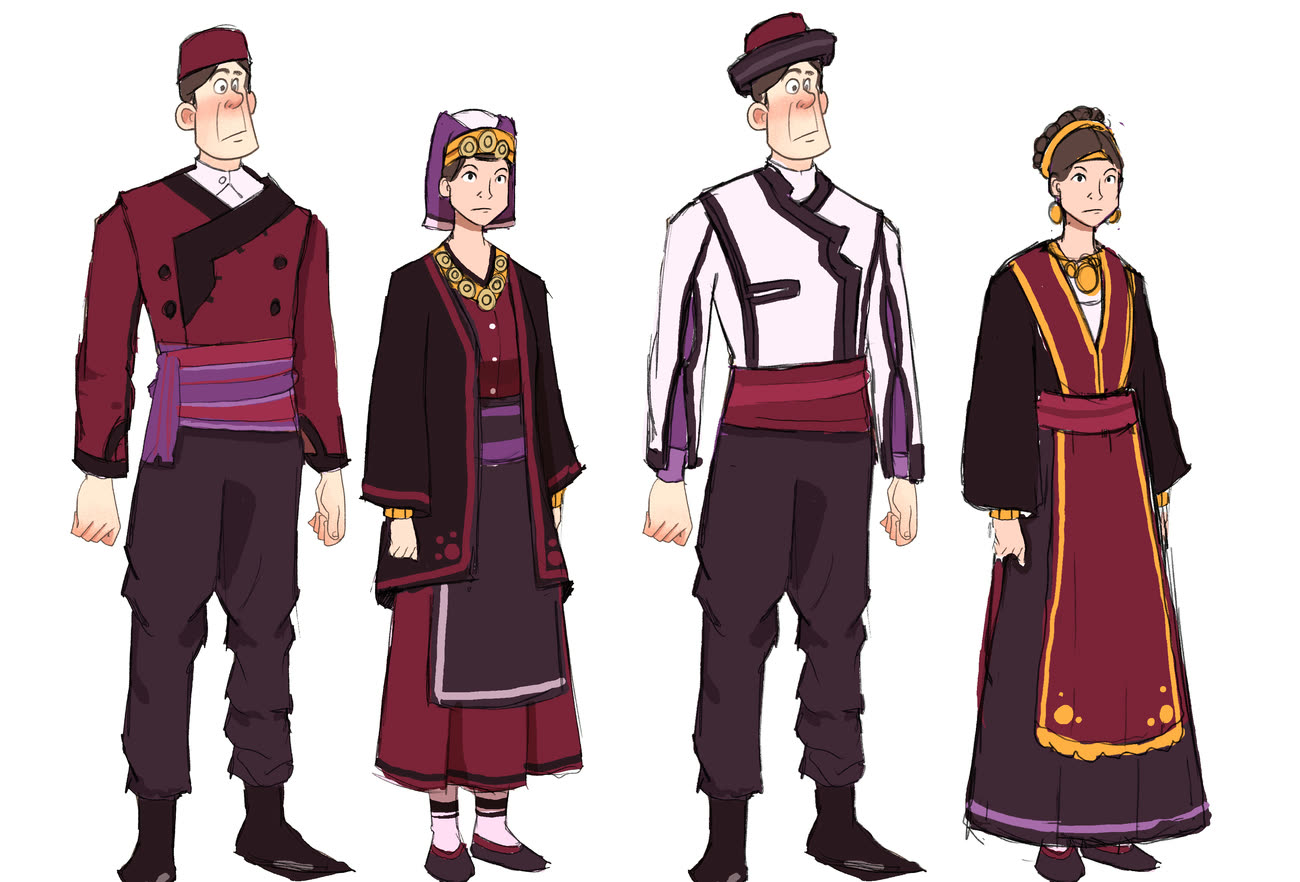 Mosabarkh
B The final line-ups
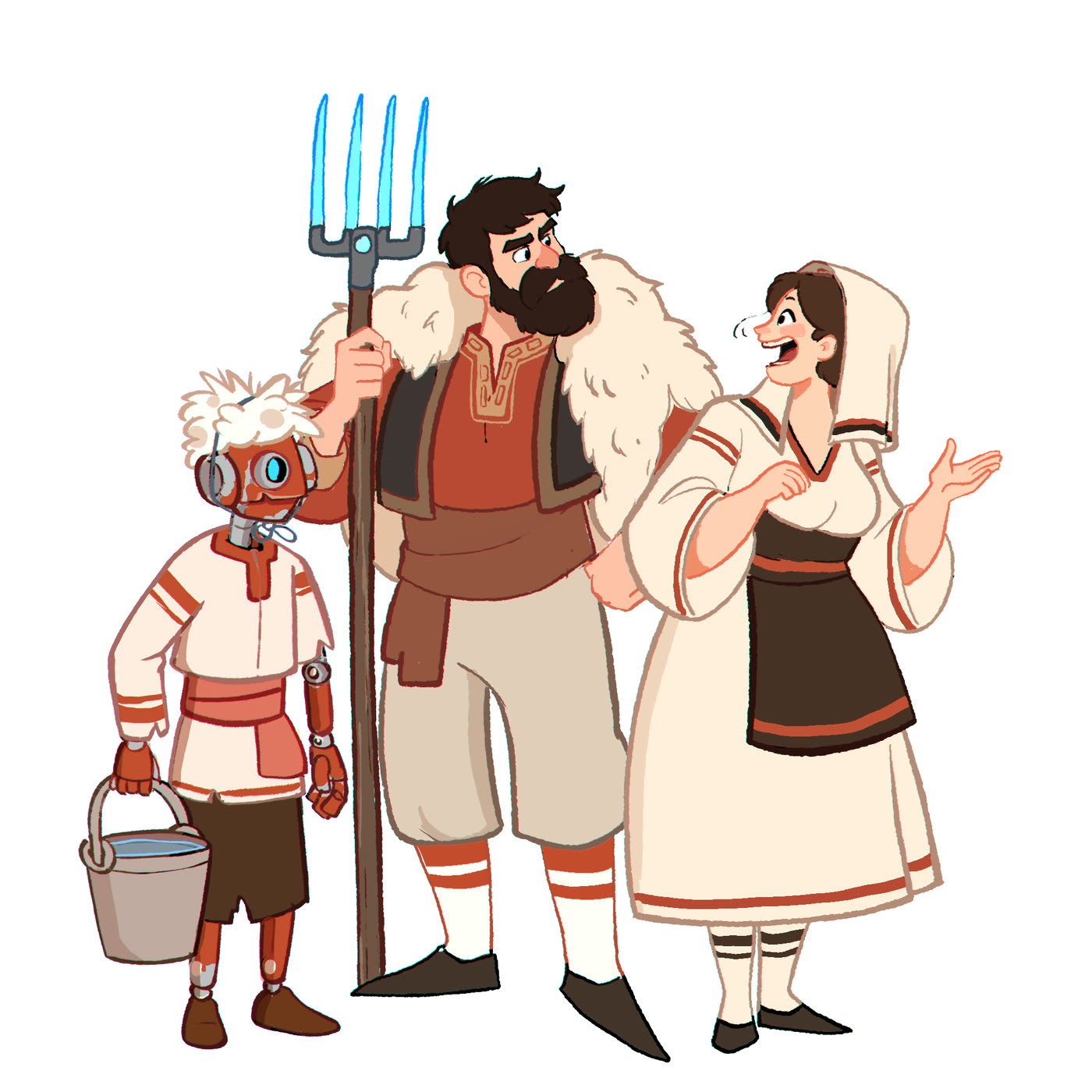
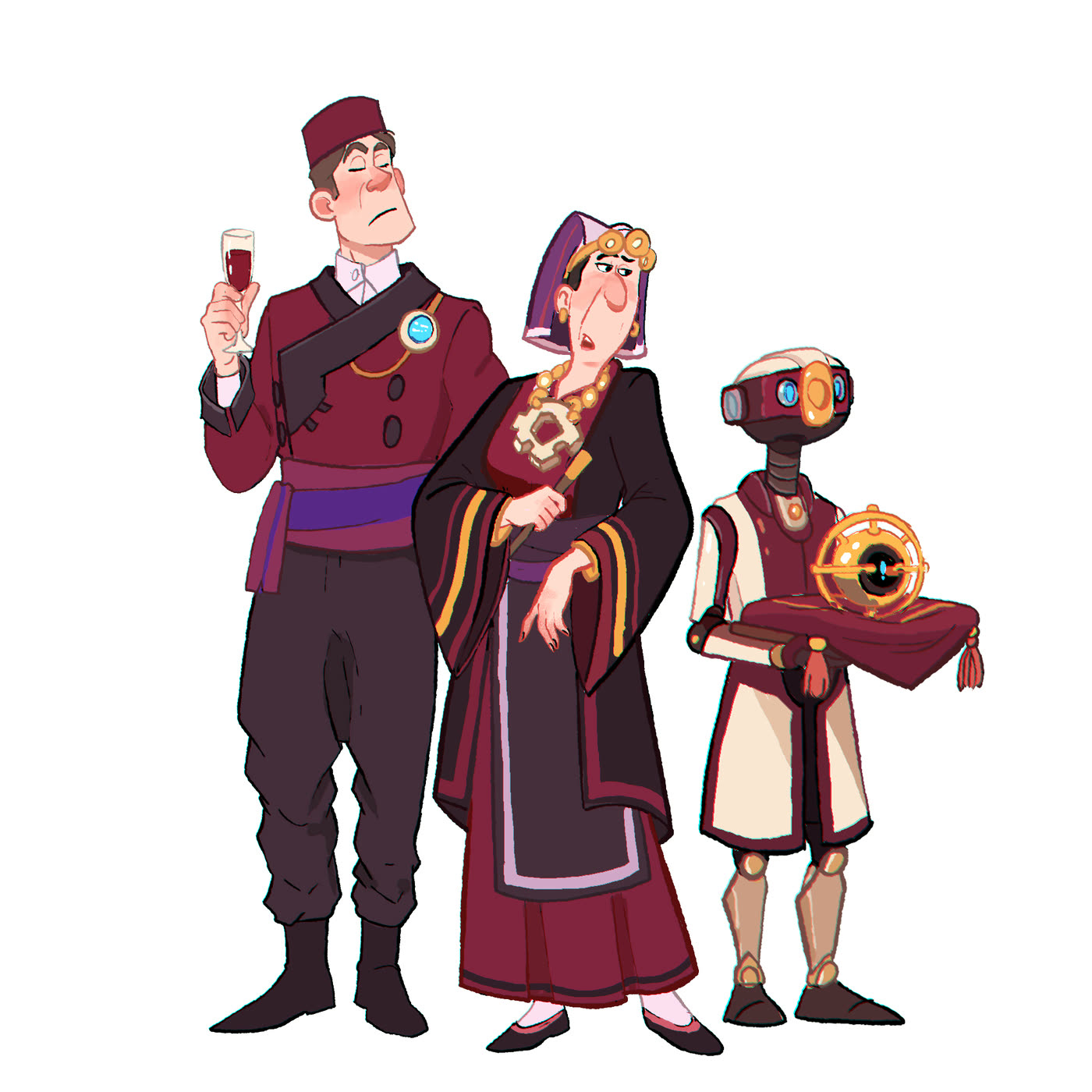
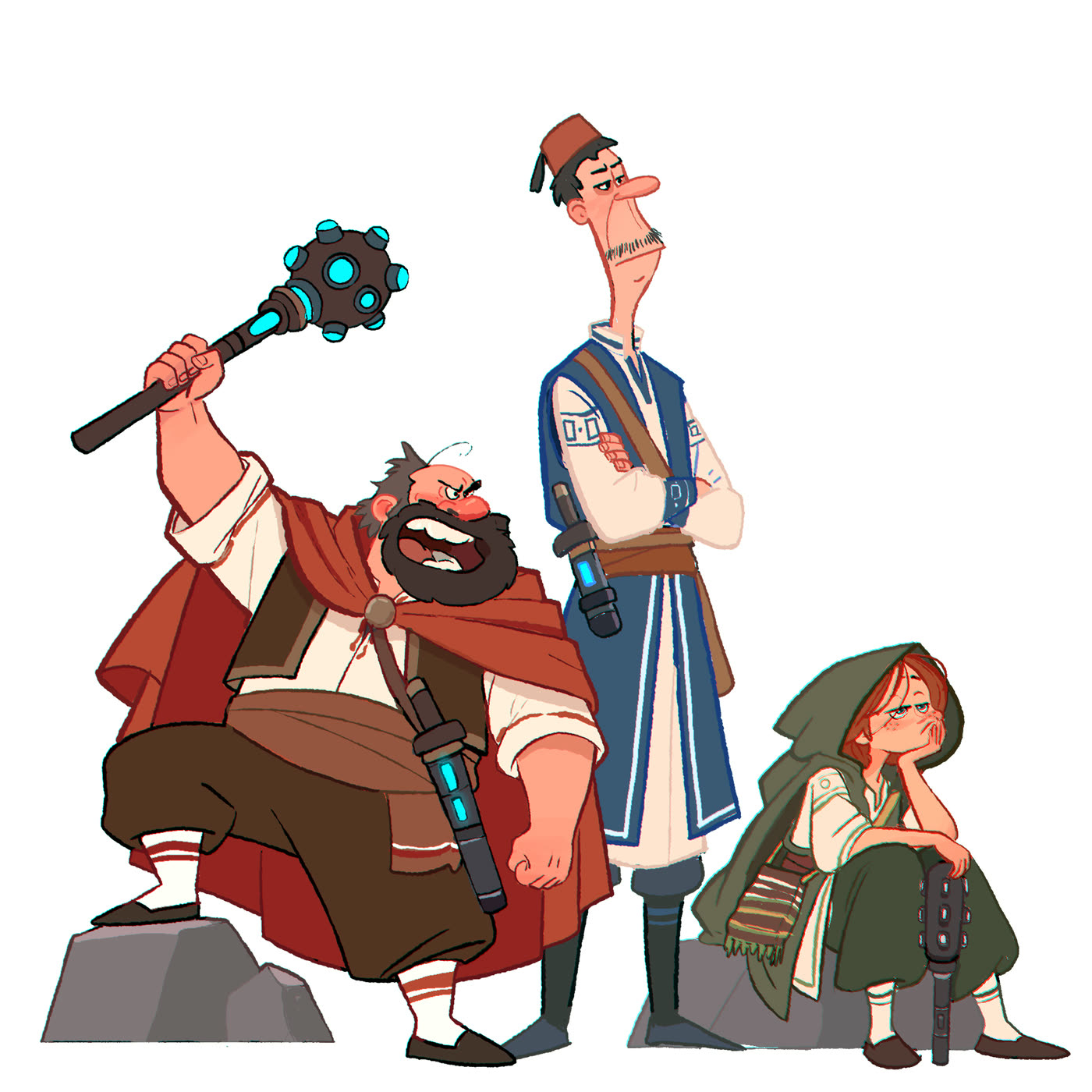
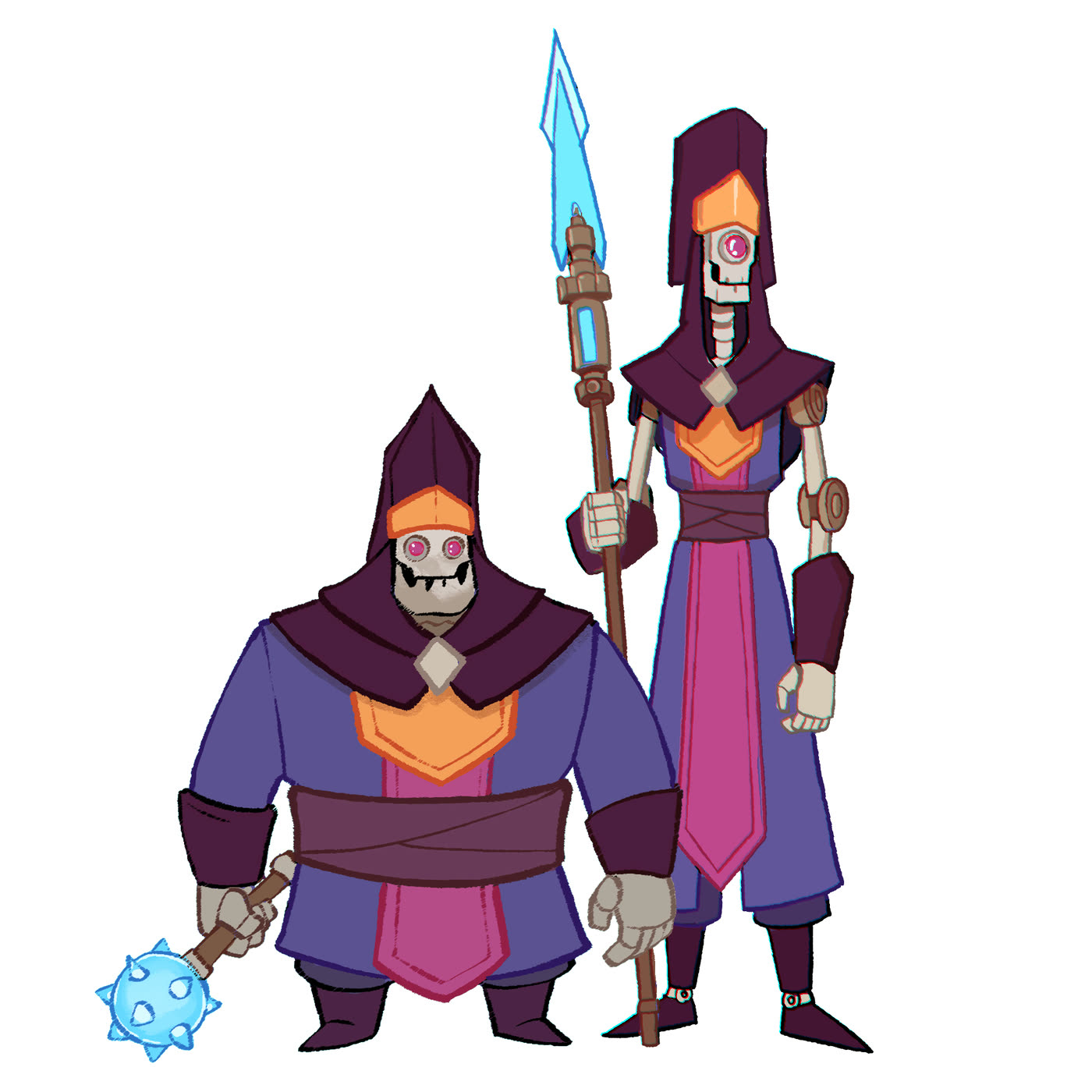
Wood, hard work, straight talk, defiance and an open door.
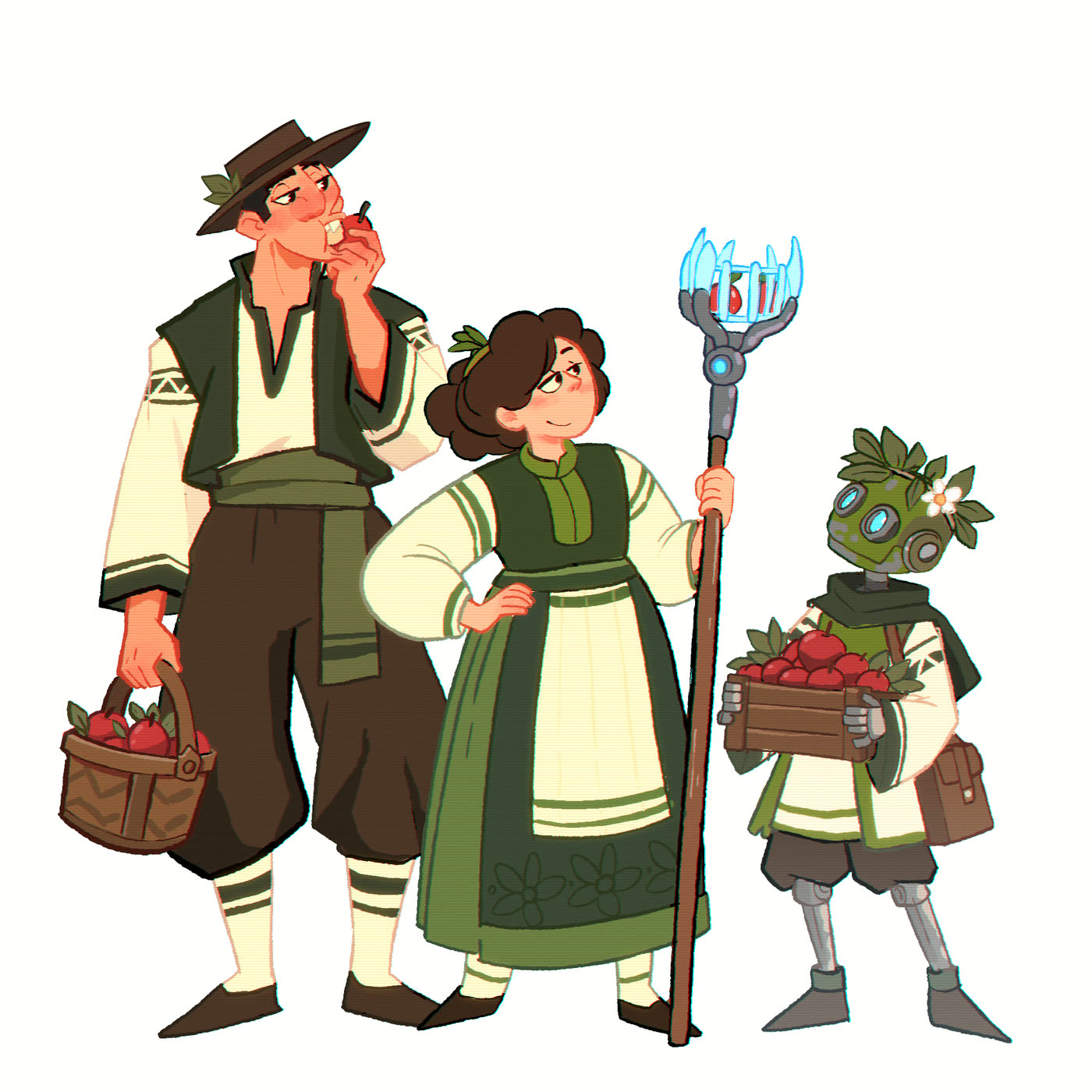
Earth, water, the rhythm of the fields and a firm sense of order.
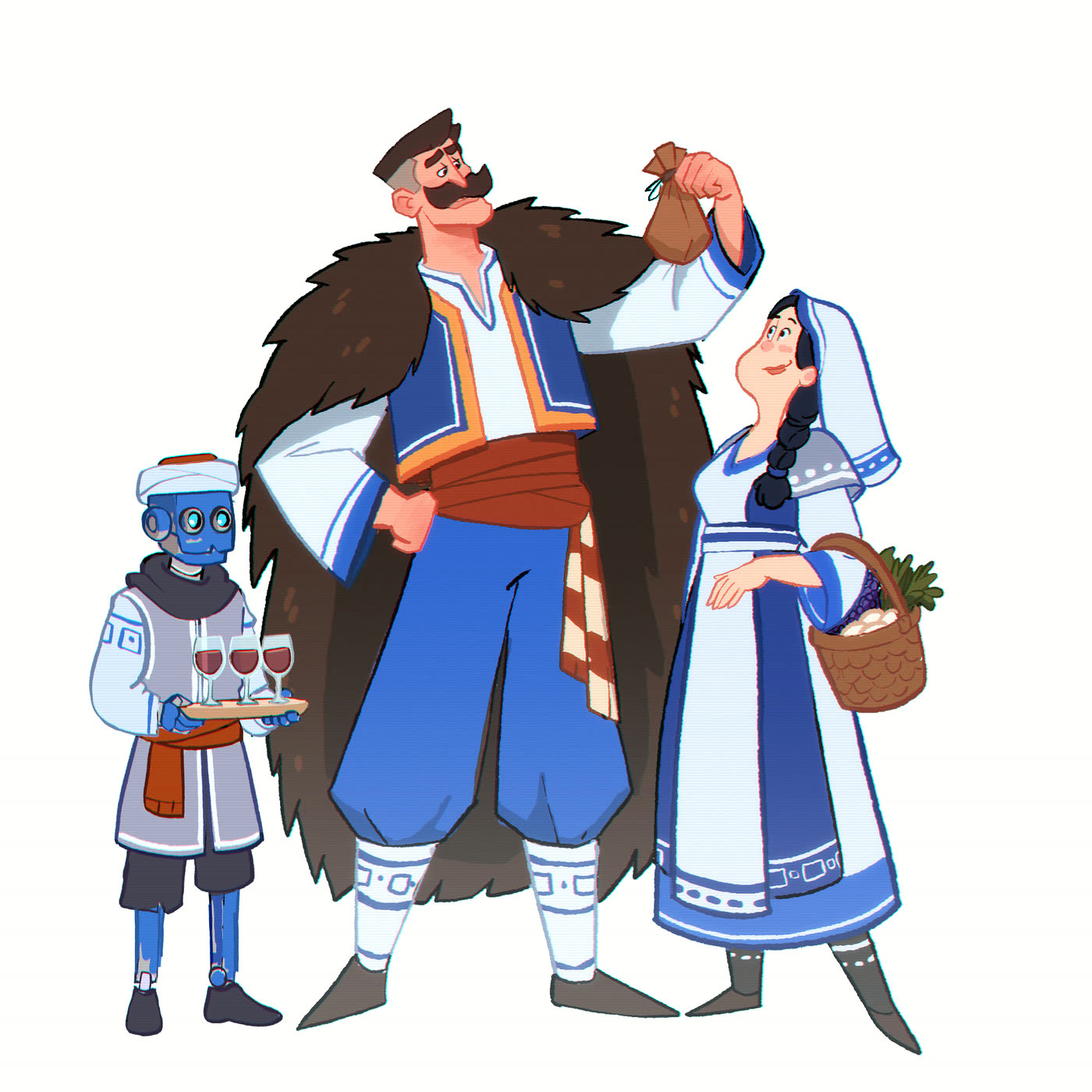
Hard as their stone, proud, sparing with words and very sure of themselves.
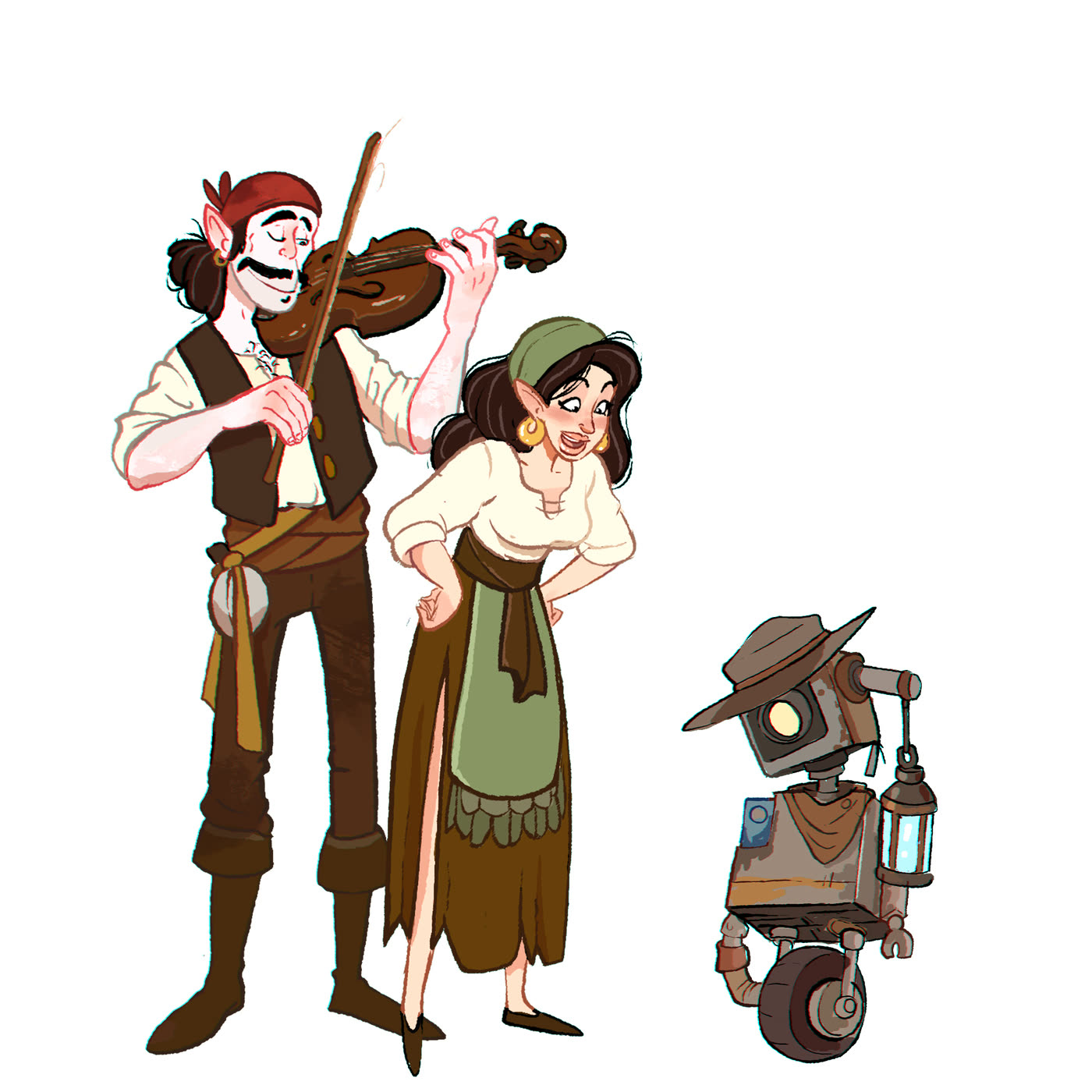
They don’t fit neatly into the three. Some travel, some stay, and some won’t let anyone else’s lines define them.
Bureaucracy, city folk and a place where you can live thirty years and still be the one who came from somewhere.
Idealists and whistle-blowers who believe Bosana can be better. They can’t agree on what better looks like.
Order among people who can’t agree on what order means. Everyone ends up equally unhappy, which his office calls stability.
The cast
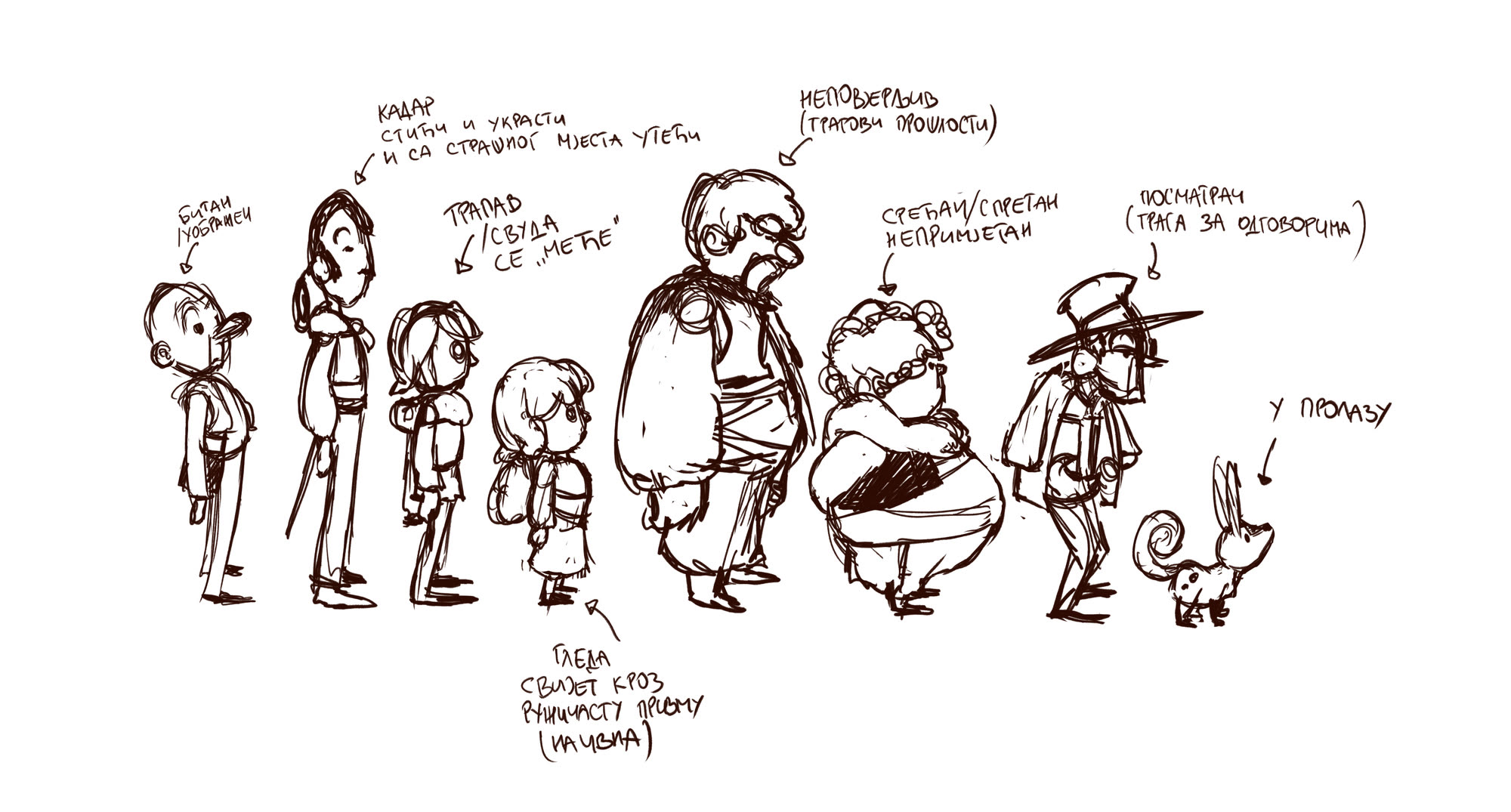
Character designThe questionWho are these people before they are costumes?
What I didThe cast started as a row of temperaments with notes in the margin: vain, clumsy, sees the world through rose-tinted glasses, just passing through. The clothes came after.
A Temperaments first
B The final three. Point at one.
Vuk19
Never asked to be important. All he wants is for things to go back to normal.
Iskra18
Knows plants, poisons and people. Only the people surprise her.
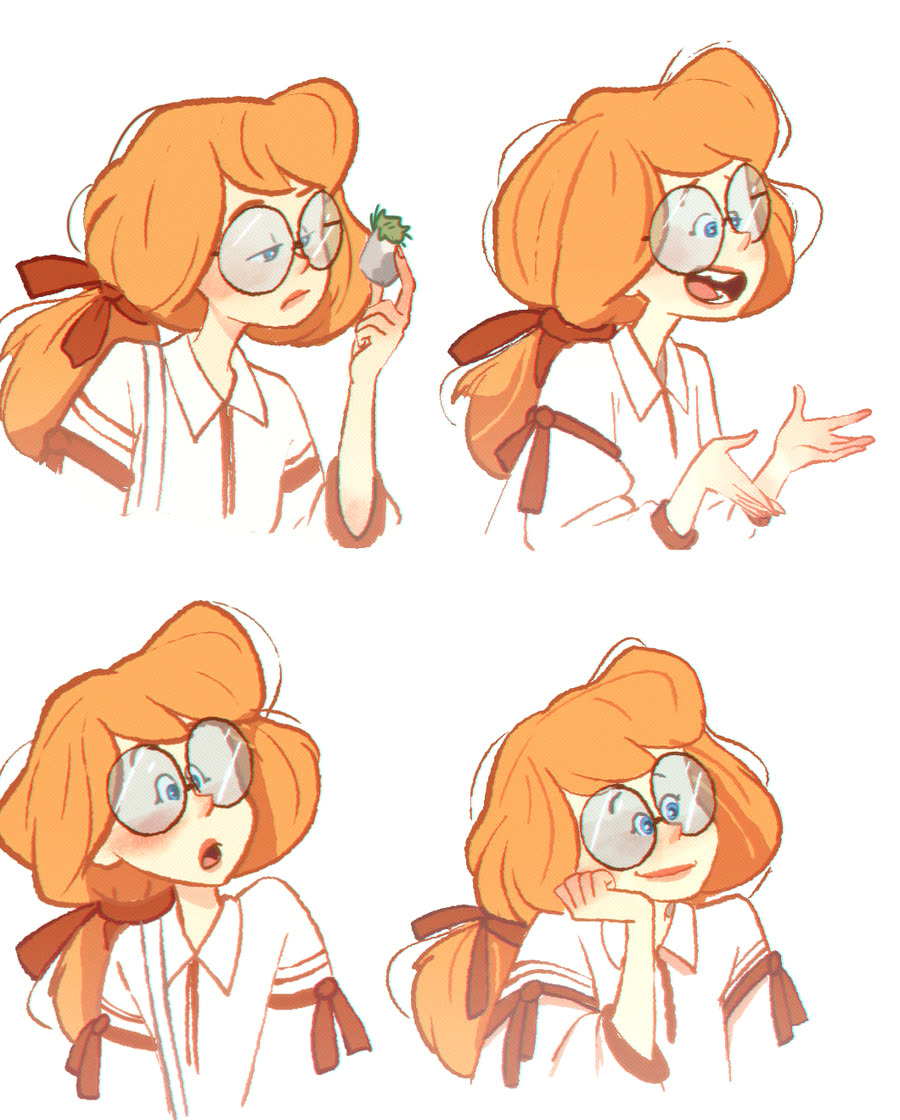
Kreslav26
Never lies to friends. Has very few friends.
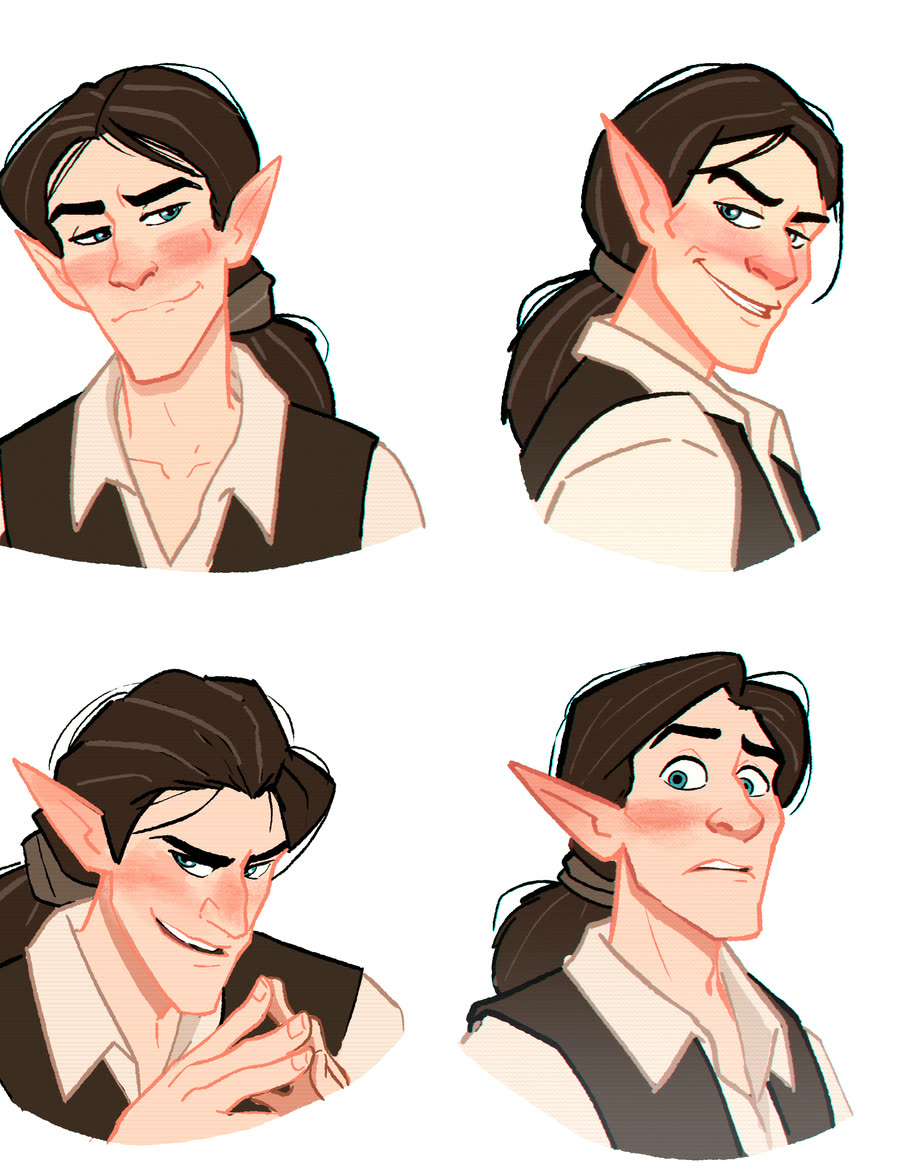
Ten years of Vuk
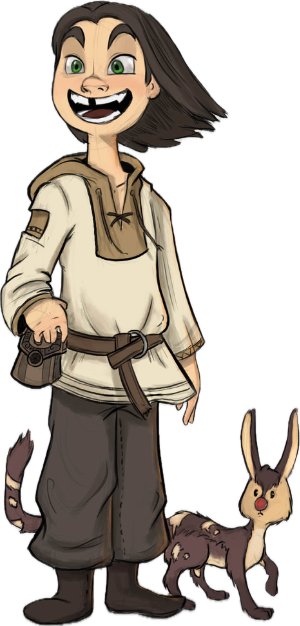
2016 – 2026Vuk is one of the characters I’ve spent the most time thinking about. I’ve redrawn him every year since 2016, and the style grew with him, one Vuk at a time.
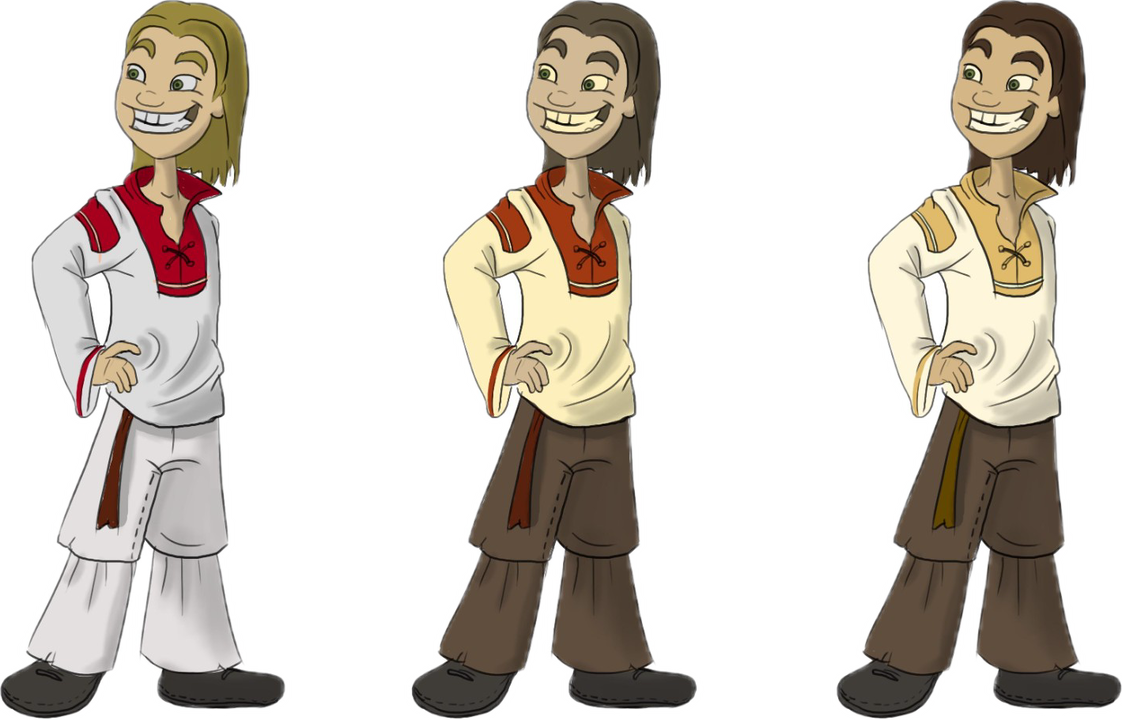
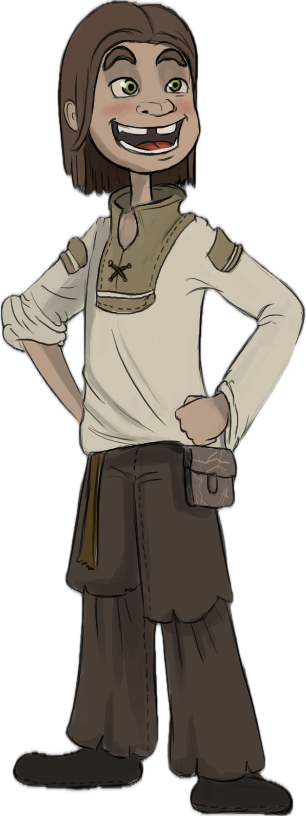
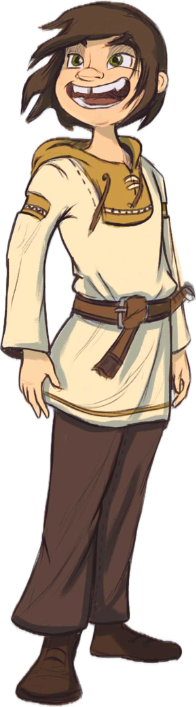
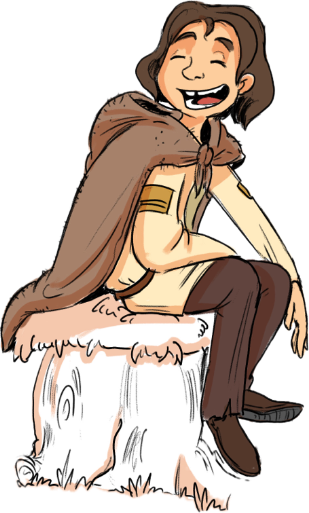
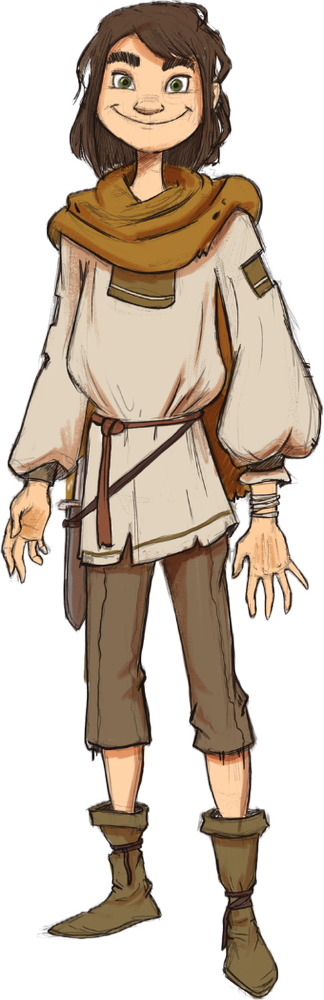
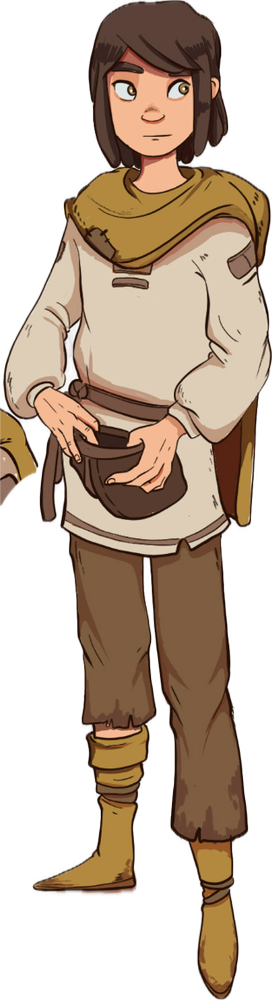
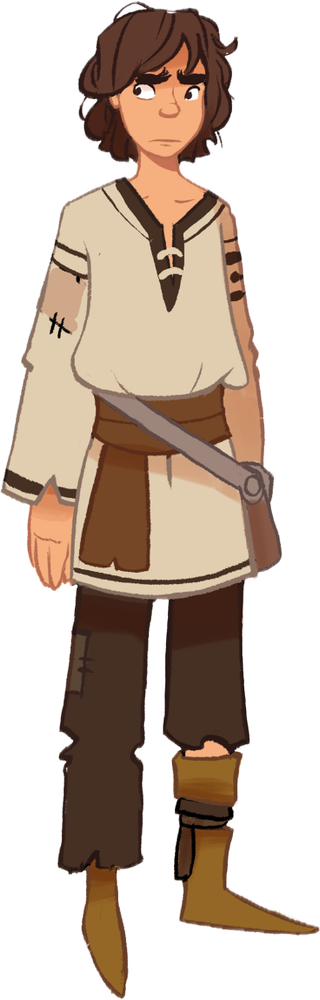
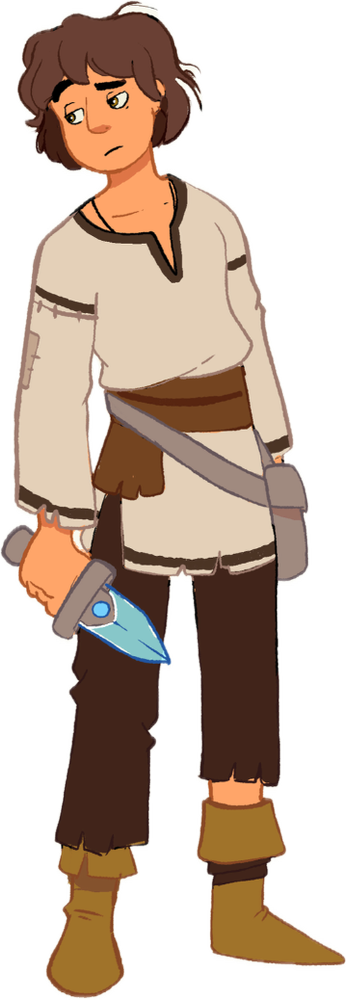
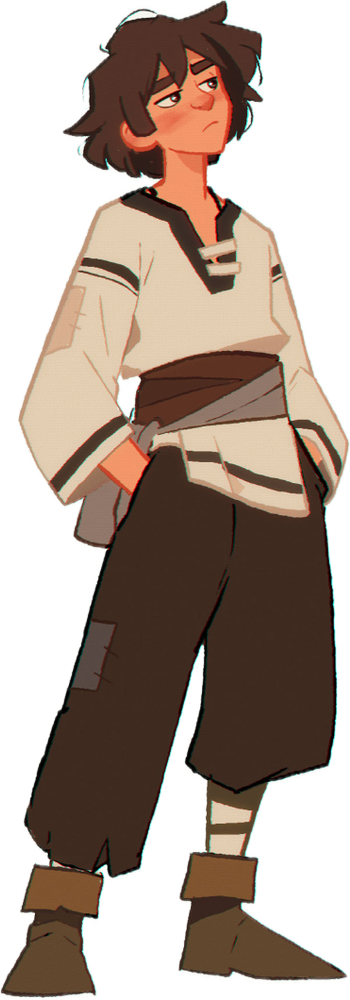
- 2016 Three palettes for one grin in a folk shirt.
- 2017 A belt pouch and a long-eared companion.
- 2018 Hands on the hips, longer hair, quieter colours.
- 2019 A looser line, and some wind in it.
- 2020 A cloak, a stump and a laugh.
- 2021 The scarf arrives.
- 2022 Flat colour and cleaner shapes. The scarf stays.
- 2024 Older, patched up, carrying more.
- 2025 The blue knife: the Tok in his hands.
- 2026 Hands in his pockets. The one that stayed.
Places
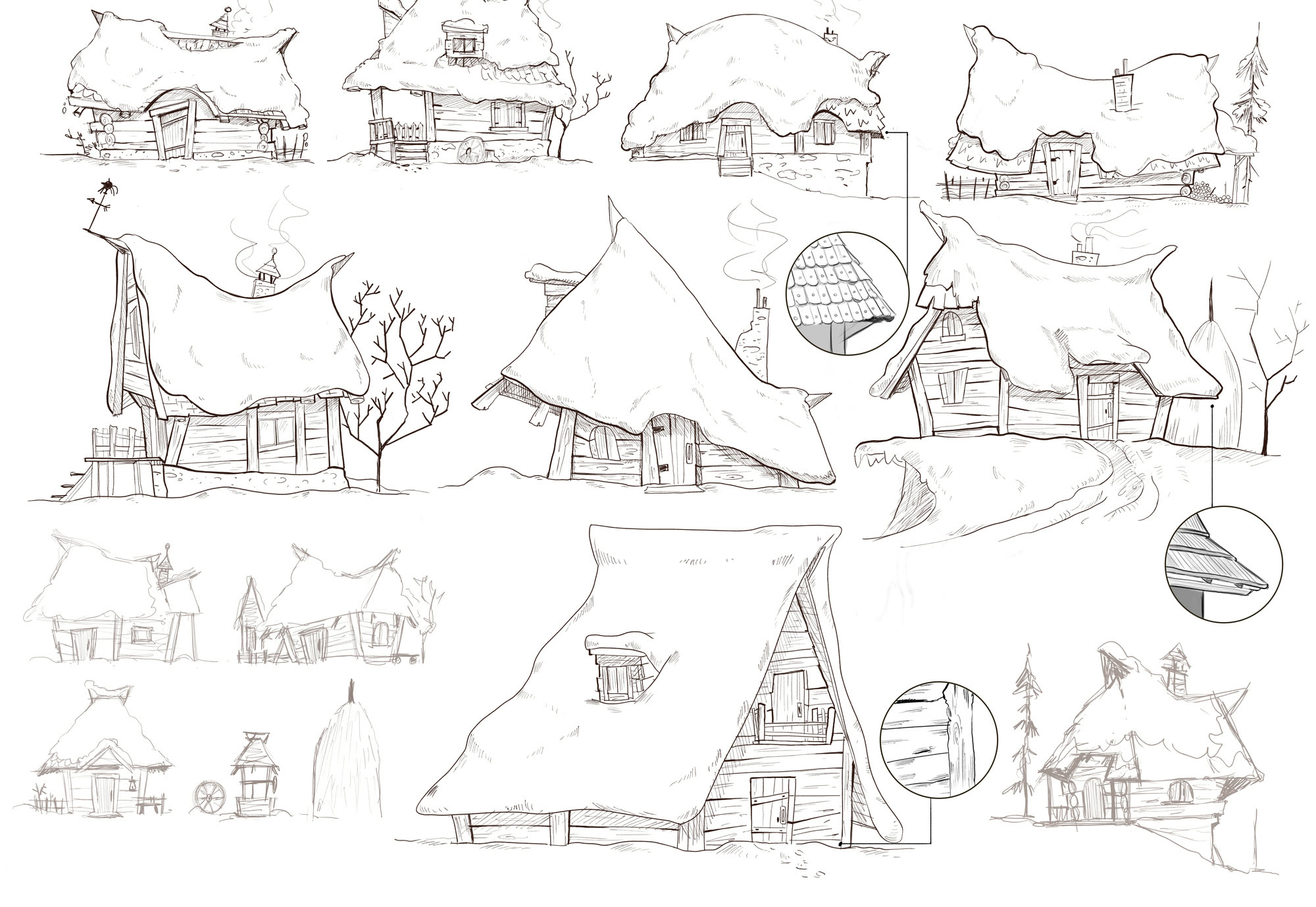
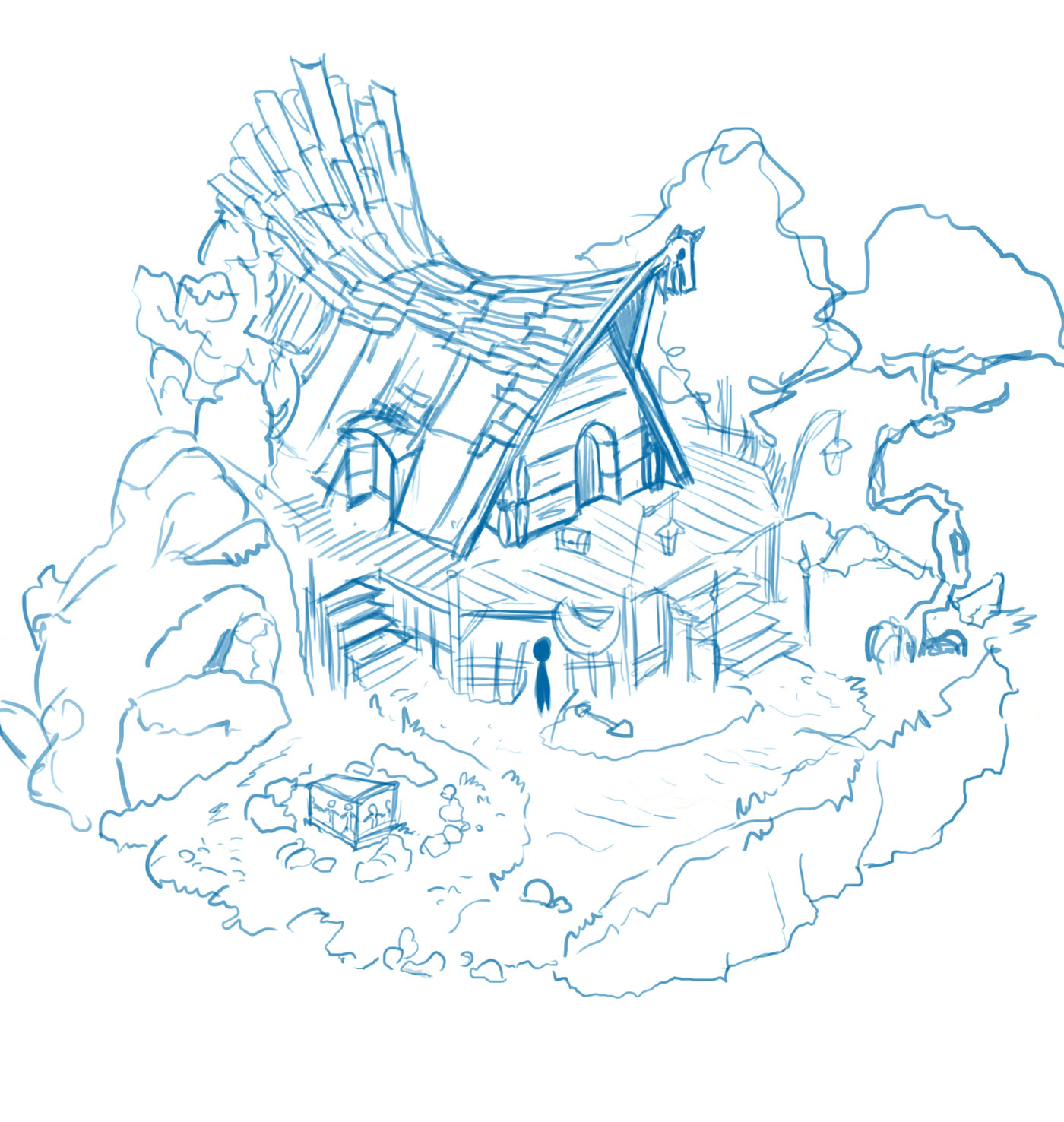
Architecture & environmentsThe questionWhat does a house look like where everything has been patched for generations?
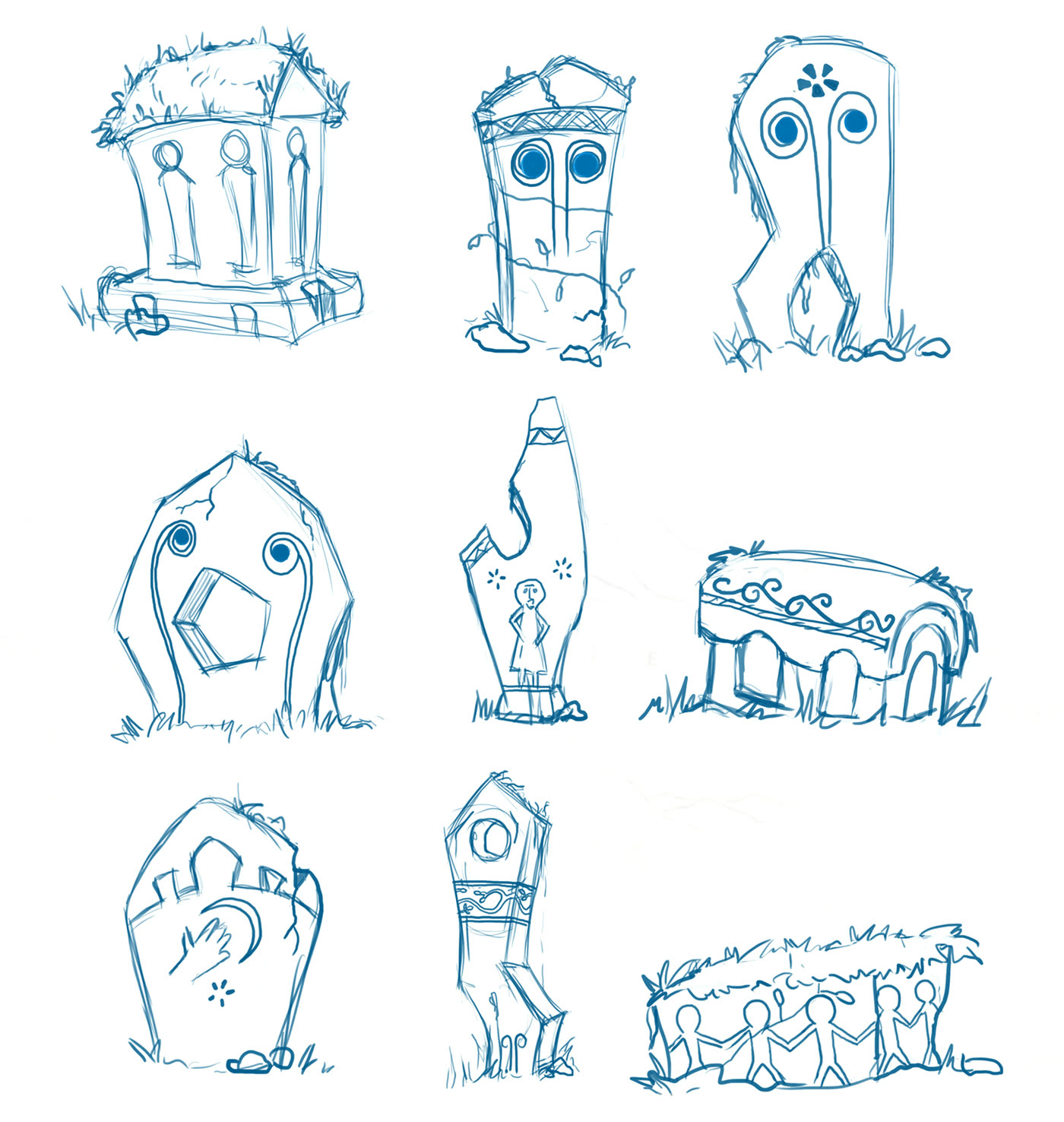
What I didWood on stone, roofs that never quite agree, each house added to over time. Pencil first to find the shapes, colour only once the village felt lived in.
A Pencil: finding the shapes
B Colour: a street of them
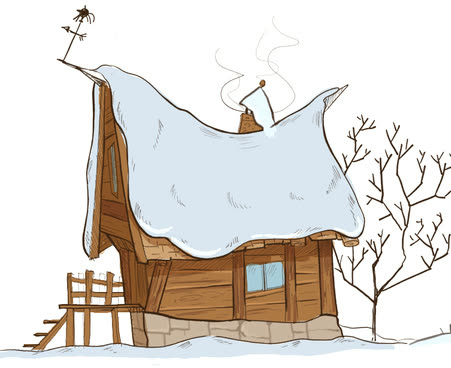
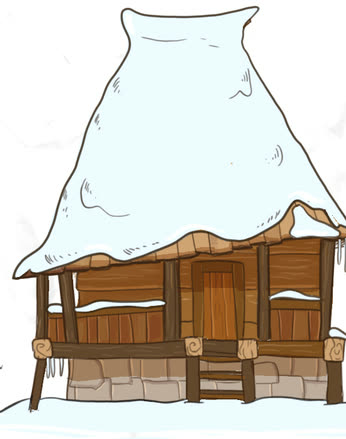
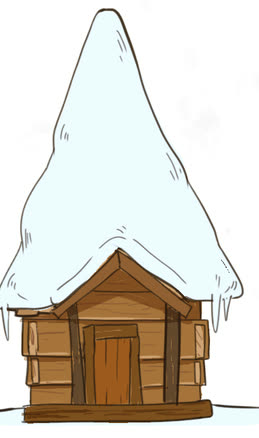
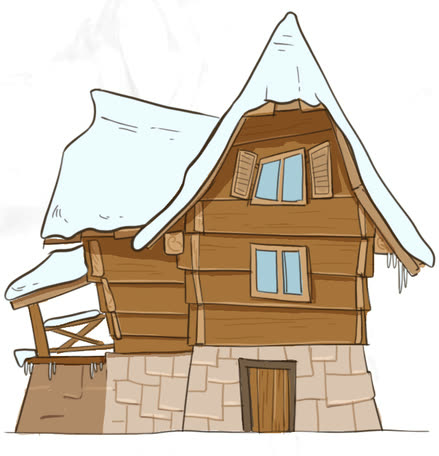
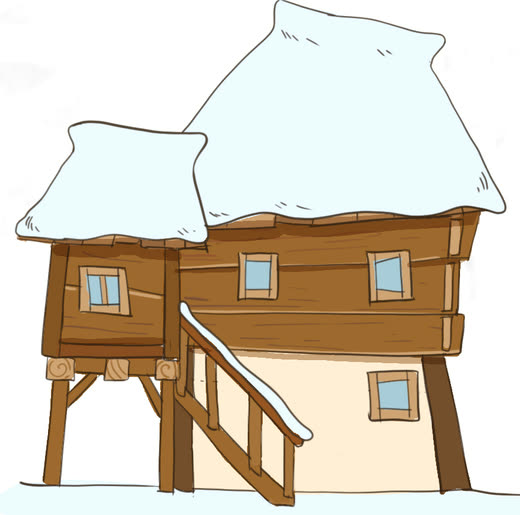
C Light: one of them in winter
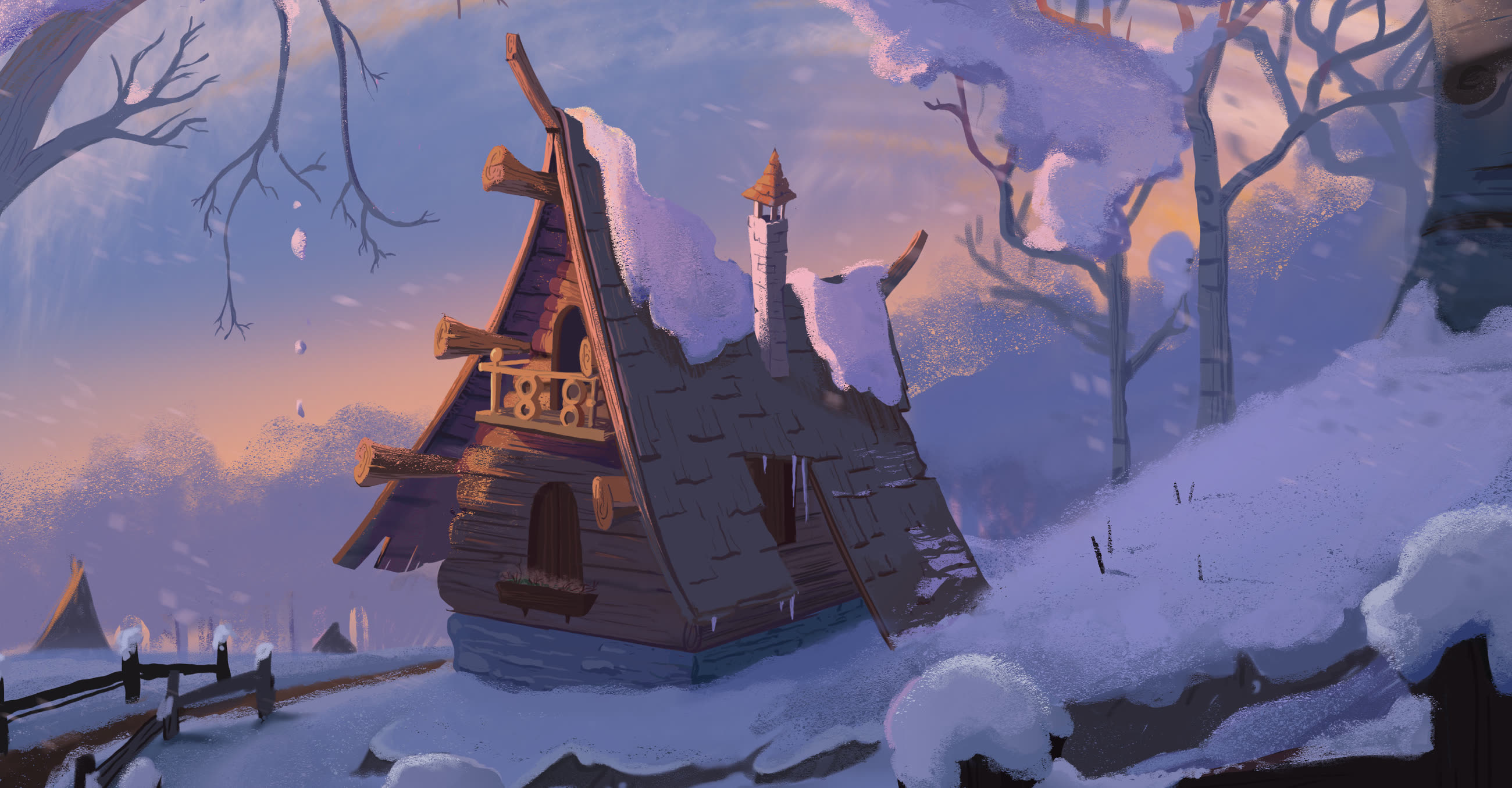
D Line: places still being found
The world
Map designThe questionHow does a map keep up with a story that keeps growing?
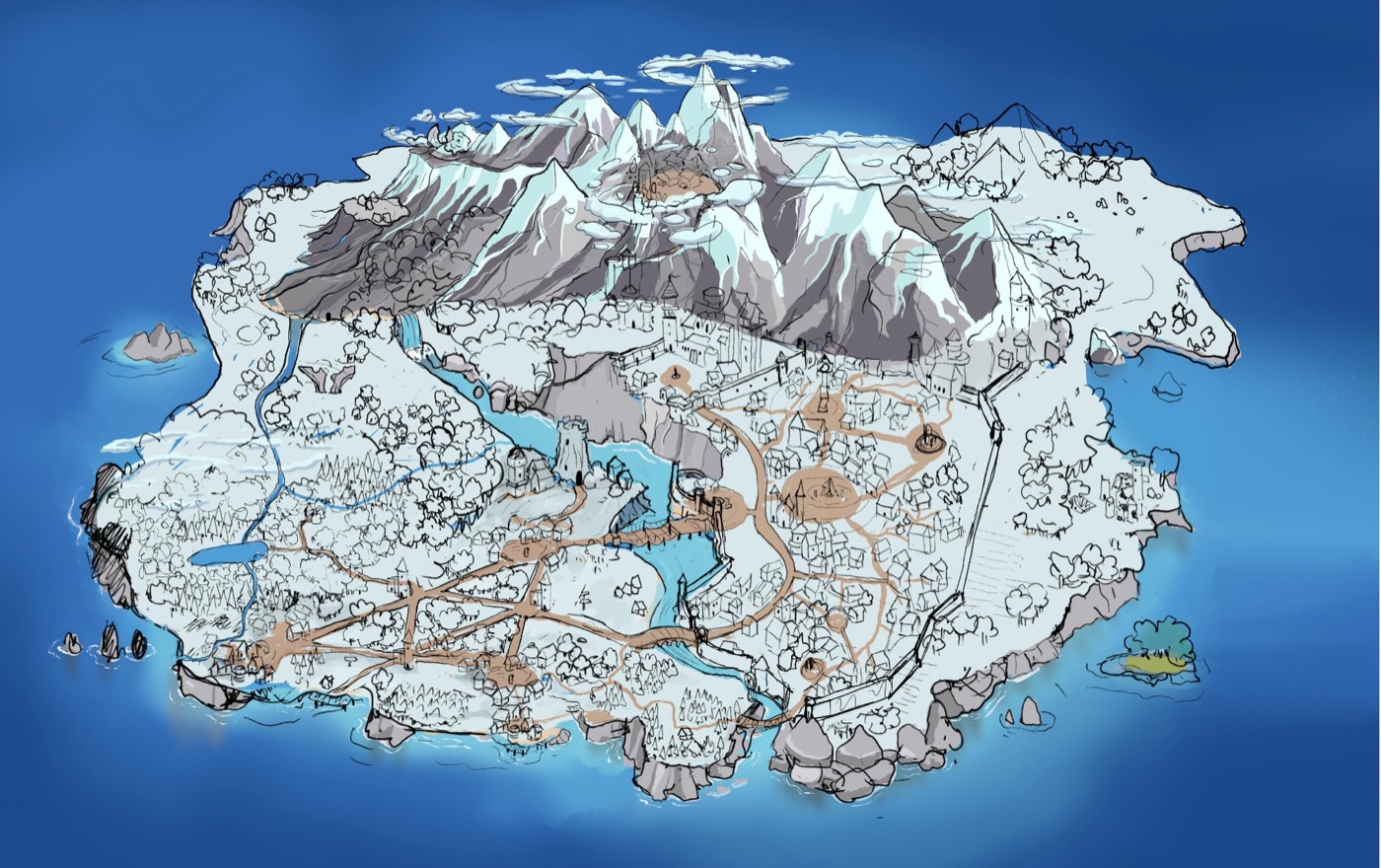
What I didIt started as one sketched island. Now it is a living map on the site, where every place opens its own story.
A The first map, 2016: one sketched island
B The living map today. Tap a place.
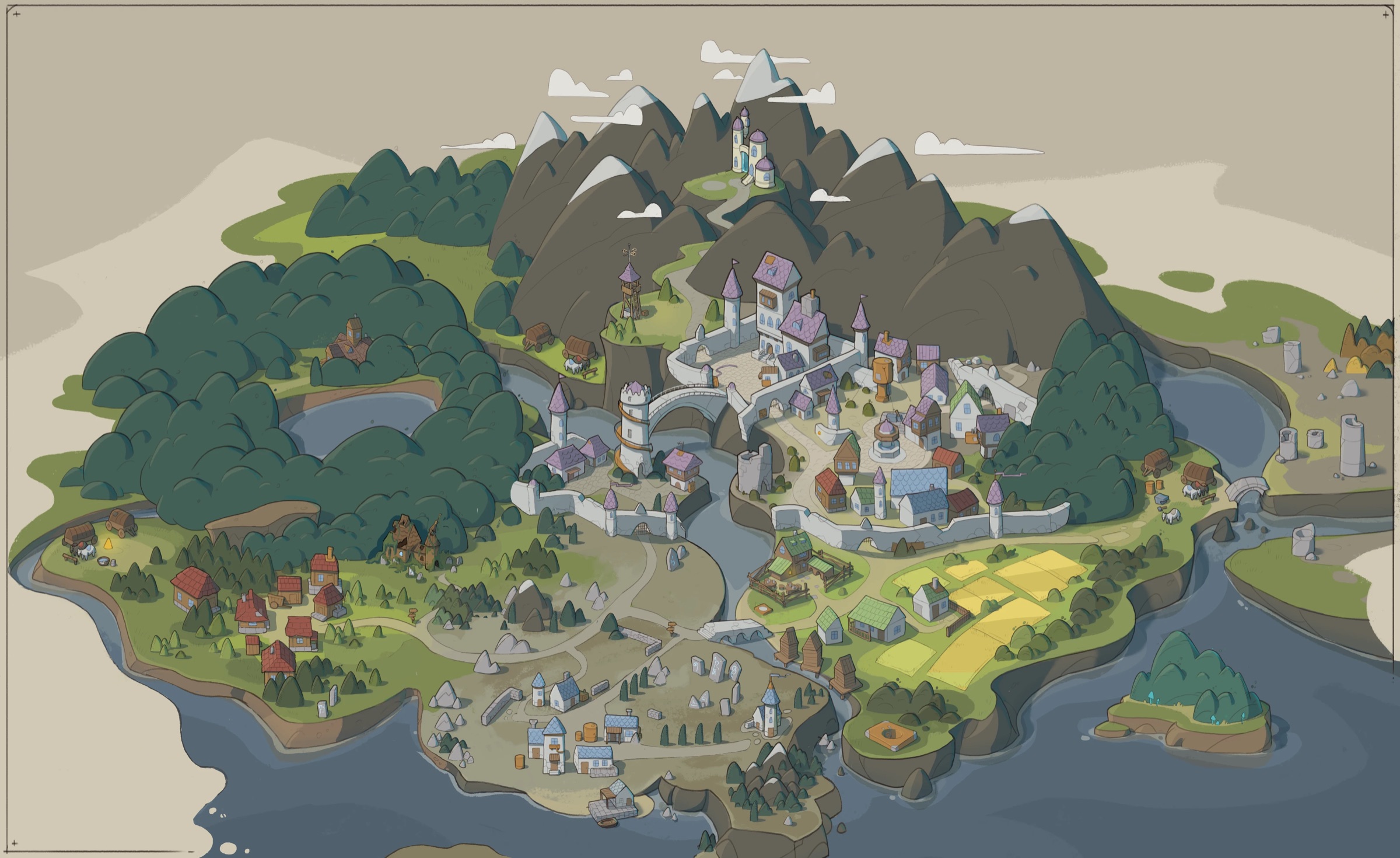
C On the site: zoom in, open a story
The comic
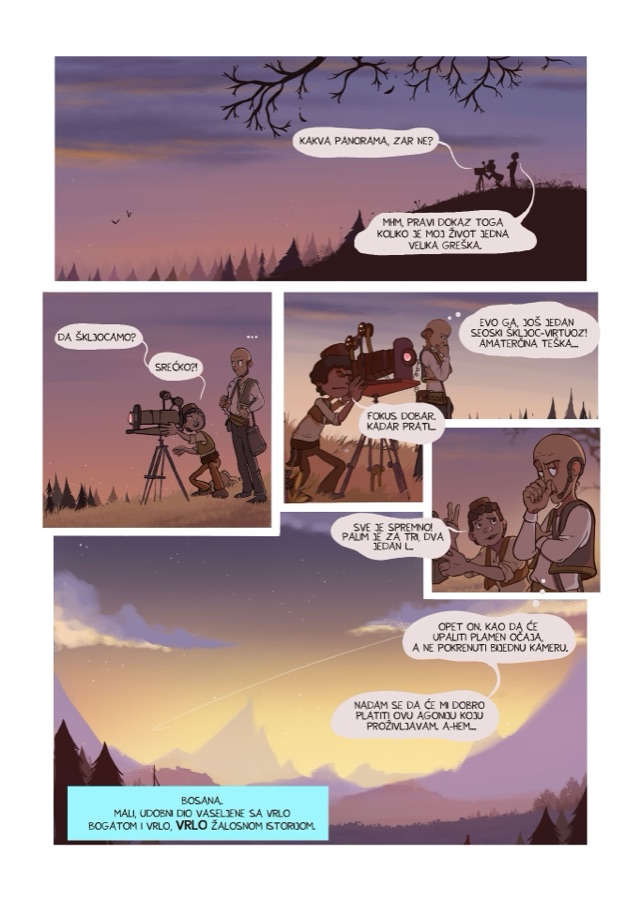
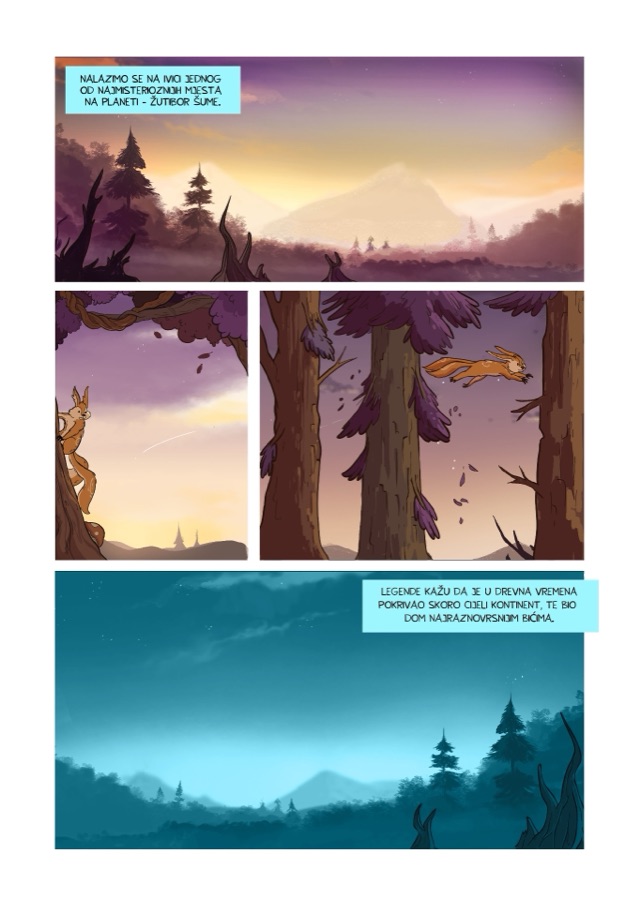
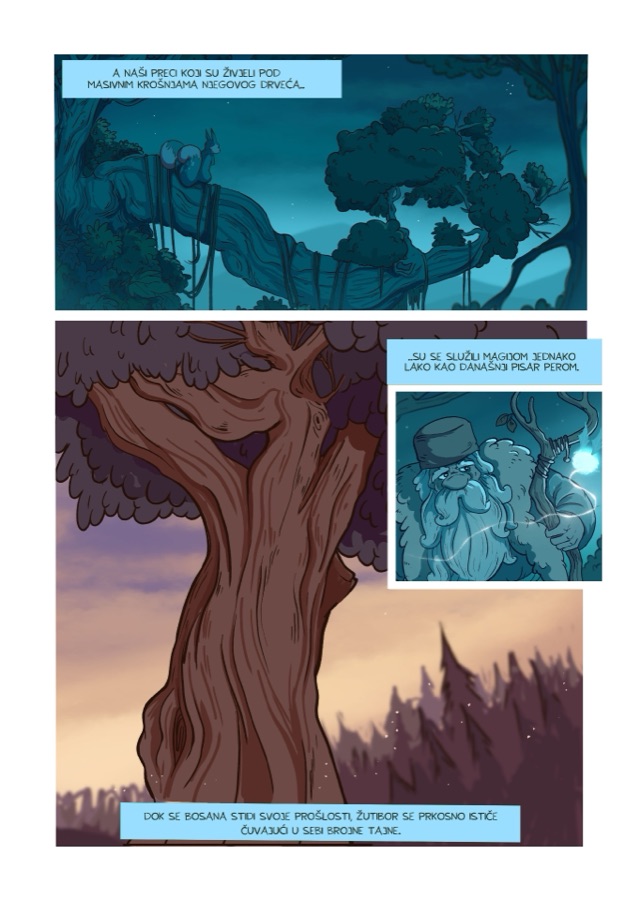
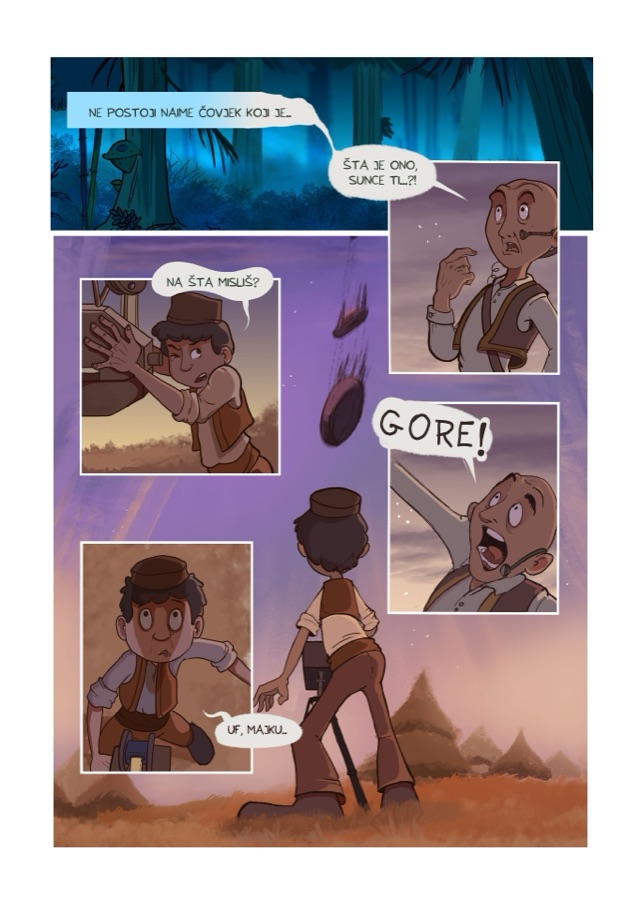
Gate of a Thousand WorldsThe questionHow does a comic drawn as pages also work on a phone?
What I didThumbnails, greys, then colour, page by page. On the site the same pages read as one long strip on phones and page by page on desktop.
A Thumbnails, greys, colour
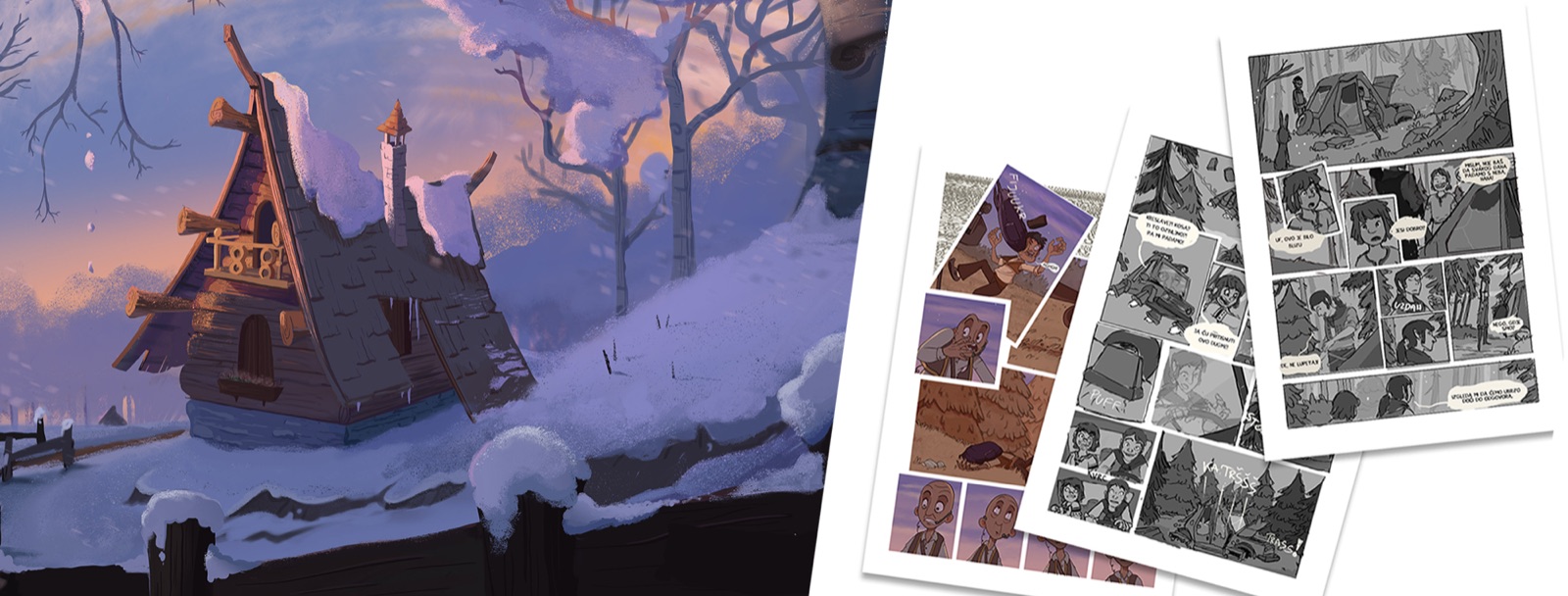
B The same pages in a phone. Scroll inside it.
The game
Gate of a Thousand Worlds · in developmentThe questionWhat changes when people can walk around the world instead of reading it?
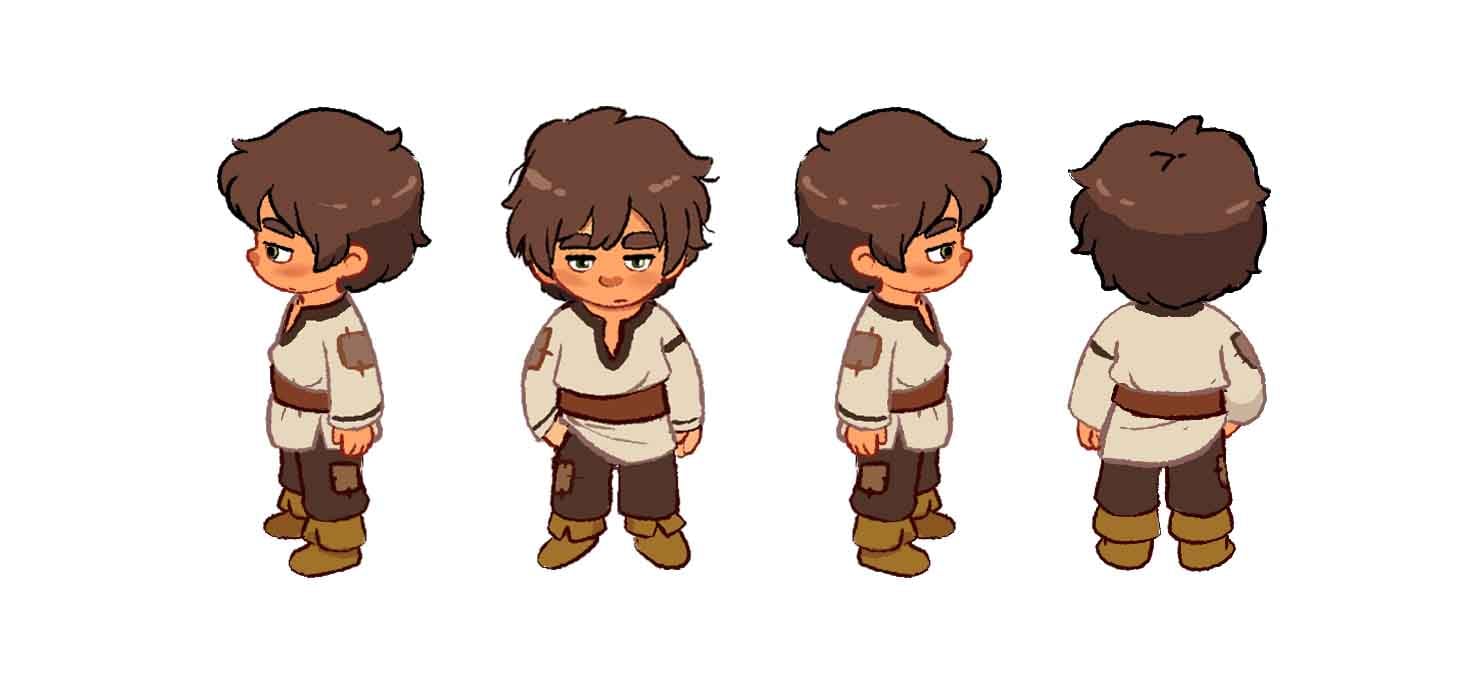
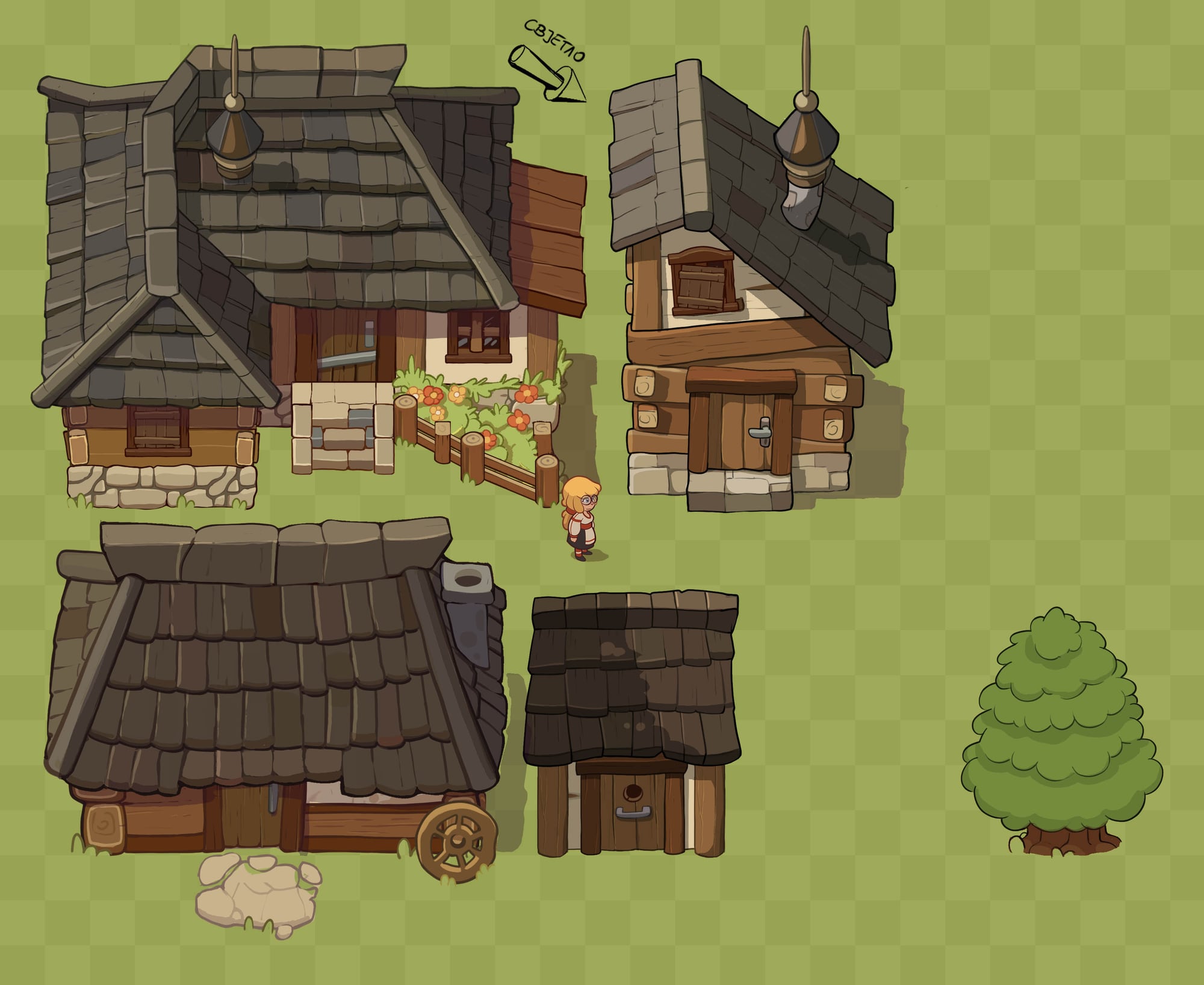
What I didEverything is seen from above. Vuk is drawn in four views to be cut into sprites, the village is built from a small kit of pieces lit from one side, and the colour stays as flat as in the comic.
A Vuk in four views, to cut into sprites
B A village kit, seen from above
C Walking it: the prototype
● In development A 2D narrative adventure where nobody lies; everyone just grew up with a different truth. Steam page coming soon.
The site
Design & developmentThe questionHow do you put a whole world online and keep it alive?
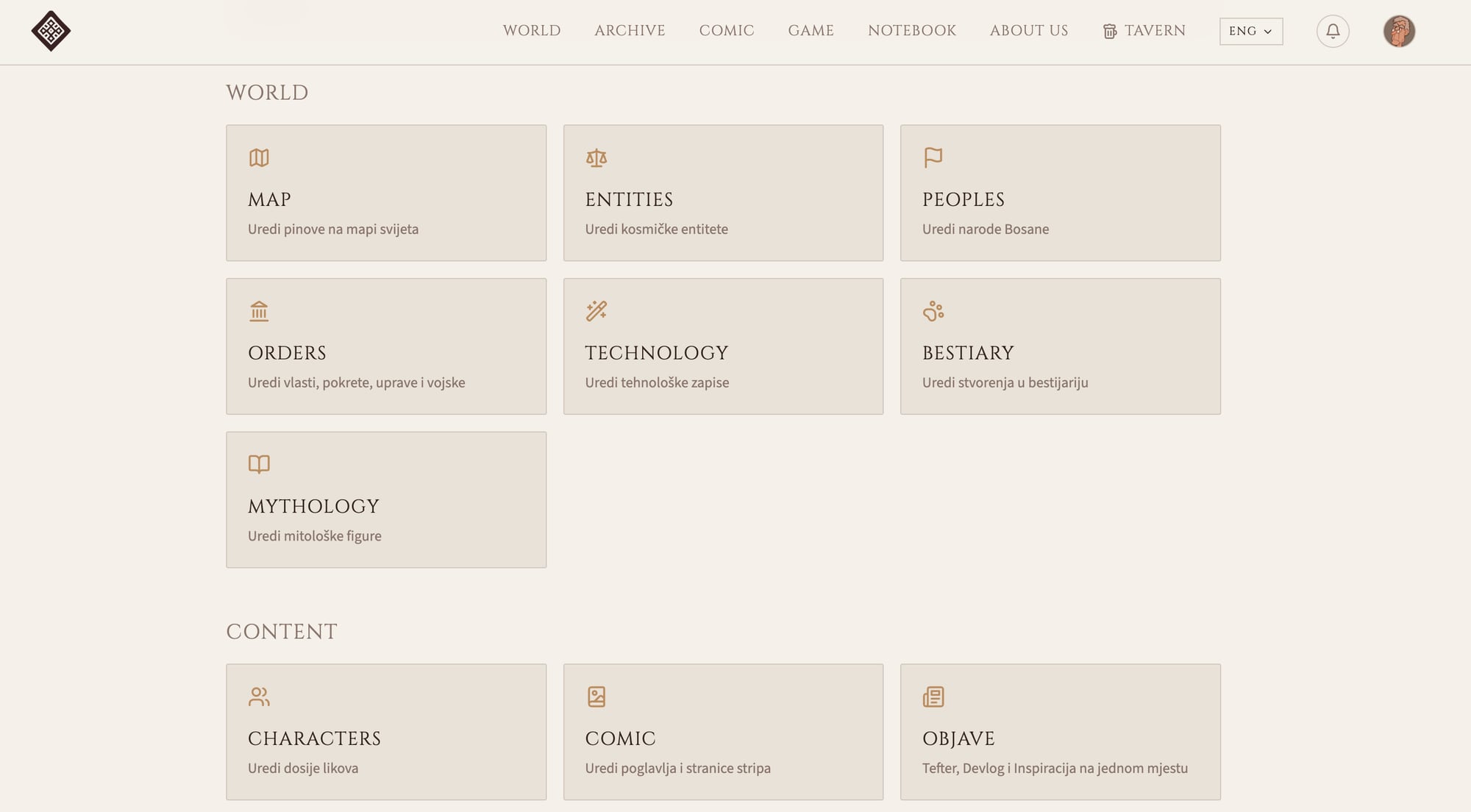
What I didDesign and build it as one thing. Under it, a CMS shaped like the world, with peoples, orders, a bestiary and mythology as their own types. On top, the map, the comic reader and the kafana, in both scripts, English and Spanish.
A Under it: a CMS shaped like the world
B The front: the pencil world, then the map
C In the hand: a dossier, the map, the kafana
D Four ways to read it. Try them.
Južnoslovenska duša. Zarđala tehnologija. Kosmička tvrdoglavost.